Picture arriving at a gorgeous vacation rental after a long drive. The architecture is stunning, the living room looks like something from a design magazine, and the kitchen has beautiful marble countertops.
Then the little frustrations begin.
There’s nowhere to put your suitcase. The bedroom lights require a complicated app. Nobody knows how to operate the thermostat, and the Wi-Fi password is buried somewhere in a lengthy welcome document.
Suddenly, that expensive-looking property doesn’t feel quite so luxurious.
That’s where Luxury Vacation Rental Guidebook Criteria become useful.
Use Luxury Vacation Rental Guidebook Criteria as a guest-experience planning tool, not a building standard. Consider everything visitors need to do, from parking and entering the property to sleeping comfortably and checking out. Then design the home to make those activities effortless, prioritize safe and durable amenities, and provide clear instructions wherever guests might need help.
A truly impressive luxury vacation rental combines thoughtful interiors with practical comfort. It’s a place where beautiful furniture, easy-to-use technology, welcoming amenities, and helpful guest information work together.
Whether you’re renovating a vacation property, furnishing a new short-term rental, or upgrading an existing home, here’s how to create that experience without spending money on features that add little real value.
What Are Luxury Vacation Rental Guidebook Criteria?
Luxury Vacation Rental Guidebook Criteria are best understood as practical considerations for the information, amenities, comfort, and usability that help guests enjoy a high-end vacation property.
They aren’t a universally recognized architectural certification, building code, or official checklist that every luxury rental must satisfy.
In the vacation rental industry, a guest guidebook usually provides information about the property, arrival procedures, amenities, local attractions, and useful recommendations.
There’s also a distinction between a guidebook and a house manual.
For example, Airbnb’s guidebook feature focuses on local recommendations, such as restaurants, attractions, and neighborhoods. Its separate house manual feature helps hosts explain property-specific details, including how equipment works and where guests can find supplies.
Airbnb notes that its guidebooks are public, while house manuals are available to guests with confirmed reservations.
For homeowners, the design opportunity lies in combining both ideas: anticipating what guests will need and making the physical property easy to understand.
Guidebook Criteria vs. Physical Home Design
| Guest Expectation | Home Design Solution | Guidebook Information | Why It Matters |
| Easy arrival | Clear entrance, visible lighting, practical parking | Directions, entrance photos, check-in details | Reduces arrival confusion |
| Comfortable sleep | Quality mattresses, blackout curtains, bedside lighting | Thermostat and extra-bedding information | Supports restful stays |
| Simple technology | Reliable Wi-Fi, familiar switches, intuitive controls | Network details and device instructions | Reduces troubleshooting |
| Convenient cooking | Organized kitchen, adequate cookware, clear storage | Appliance instructions and nearby grocery options | Makes meals easier |
| Safety and confidence | Appropriate alarms, safe pathways, secure doors | Emergency information and property precautions | Helps guests respond appropriately |
| Relaxing outdoor spaces | Comfortable seating, shade, safe lighting | Outdoor equipment instructions and applicable rules | Makes amenities easier to enjoy |
Notice something important: the guidebook shouldn’t compensate for fundamentally poor design.
If guests need three paragraphs to understand how to turn on a bathroom light, simplifying the lighting controls is probably more useful than writing better instructions.
How to Design a Home Around Luxury Vacation Rental Guidebook Criteria
The most effective approach is to design around the guest’s journey rather than decorating every room independently.
Think about what someone experiences during their first ten minutes, their first evening, and their final morning.
What might confuse them? What would make them comfortable? What could create unnecessary maintenance problems?
These questions should influence the floor plan, furnishings, finishes, and guidebook.
1. Identify the Guests You’re Designing For
A luxury rental for couples celebrating an anniversary doesn’t need exactly the same features as a vacation home accommodating two families.
For couples, privacy, attractive lighting, comfortable sleeping arrangements, and intimate outdoor seating may be priorities.
For families, flexible dining, laundry access, durable furnishings, and practical storage become especially valuable. Families with young children may also appreciate accurate information about stairs, child-safety features, and available equipment.
Longer-stay guests often benefit from a proper workspace, generous closet space, cooking equipment, and reliable internet.
Guests with mobility limitations may need step-free access, manageable thresholds, suitable bathrooms, and clear information about the property’s actual accessibility features.
Rather than assuming your target guests’ needs, use the questions and feedback you receive to refine the design.
2. Make the Floor Plan Support Everyday Routines
A vacation home layout should create a natural flow between private rooms, shared spaces, and outdoor areas.
For instance, a three-bedroom property may benefit from separating a primary suite from the other bedrooms. This can provide privacy for couples while allowing families or friends to gather comfortably in shared areas.
Bathroom access matters, too. Guests shouldn’t have to walk through someone else’s bedroom just to reach a shared bathroom.
If you’re considering a three-bedroom rental, HomeWorks Daily’s guide to practical three-bedroom house layouts explores bedroom placement, circulation, storage, and other decisions that also matter for vacation properties.
Before moving walls, draw the actual furniture onto a scaled floor plan. Account for open drawers, door swings, luggage, and walking paths.
An oversized sectional sofa isn’t a luxury improvement if it makes the room difficult to navigate.
3. Connect Every Amenity With Its Instructions
Imagine a hypothetical beach rental featuring an outdoor shower, a built-in grill, and a sophisticated entertainment system.
Those features may look impressive in listing photos. But what happens when guests can’t find the shower controls or connect their phones to the speakers?
Every meaningful amenity should have two things: an intuitive physical setup and an appropriate explanation.
Use clear labels on unfamiliar controls. Keep everyday items in obvious locations. Provide short, accurate instructions for anything unusual.
The goal isn’t to create an enormous instruction manual. It’s to create a home that rarely requires one.
First Impressions That Make a Vacation Rental Feel Luxurious
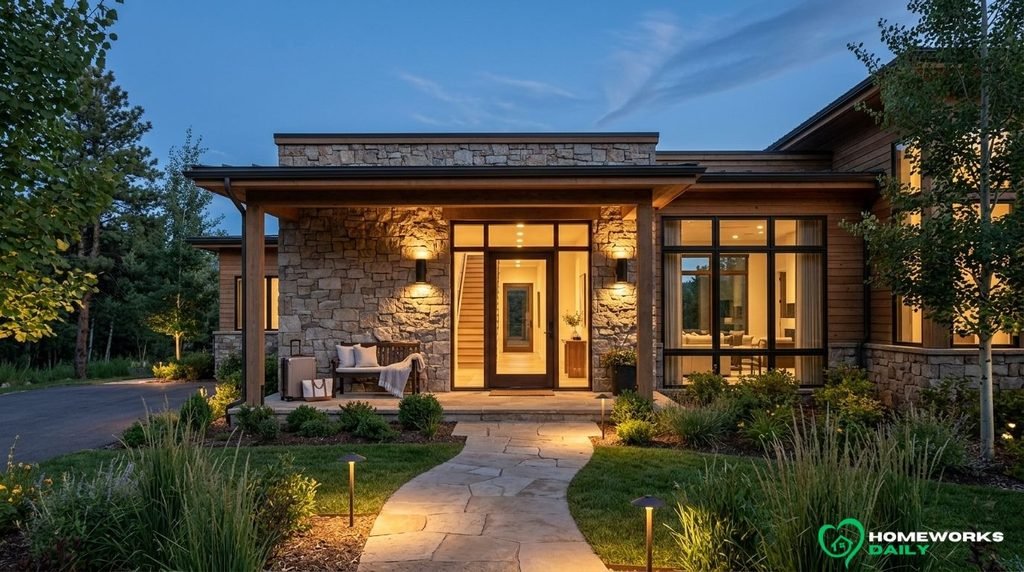
A welcoming experience begins before guests open the front door.
Exterior lighting, landscaping, driveway conditions, parking arrangements, and the entrance all influence that first impression.
Consider a guest arriving after sunset in unfamiliar surroundings. Attractive landscaping won’t be much help if the house number is hidden behind a tree or the pathway is poorly lit.
Start with practical arrival improvements.
Make the address easy to identify. Keep walking surfaces in good condition, illuminate appropriate routes, and provide enough space to unload luggage safely.
At the entrance, a small bench, wall hooks, shoe storage, or a narrow console can make an immediate difference.
A memorable first impression also depends on visual consistency.
Choose a palette and materials that suit the architecture and destination. A mountain cabin might feature warm wood, textured fabrics, and muted greens. A coastal property could lean toward airy colors, natural textures, and washable upholstery.
That doesn’t mean every room must look identical. It means the house should feel intentionally designed.
A useful decorating principle: Spend on features guests touch and use frequently before investing heavily in purely decorative objects.
Comfortable seating, well-positioned lighting, and a sturdy entryway often provide more everyday value than an elaborate statement piece.
Room-by-Room Luxury Vacation Rental Design
The best luxury rental interiors don’t merely photograph well. They work when people cook, sleep, relax, unpack, and spend time together.
Here’s what deserves attention in each major area.
Living Room: Prioritize Comfort and Conversation
The living room should accommodate the home’s advertised guest capacity comfortably.
A property that sleeps eight but provides only four practical living-room seats may leave visitors competing for space.
Choose sofas and chairs with durable upholstery, supportive cushions, and frames suited to regular use.
Add a combination of overhead, task, and ambient lighting. Guests should be able to read, socialize, or watch television without dealing with harsh glare.
Keep outlets accessible for charging devices, and avoid placing fragile decorative items where people naturally set drinks.
Area rugs can soften a large room, but material selection matters.
A high-pile rug may look beautiful while collecting crumbs, pet hair, and dirt. A low-pile option with an appropriate, secure backing may be easier to maintain.
HomeWorks Daily’s wool mats and material-selection guide explains why construction, backing, and cleaning instructions matter when choosing wool floor coverings.
Bedrooms: Make Quality Sleep the Main Attraction
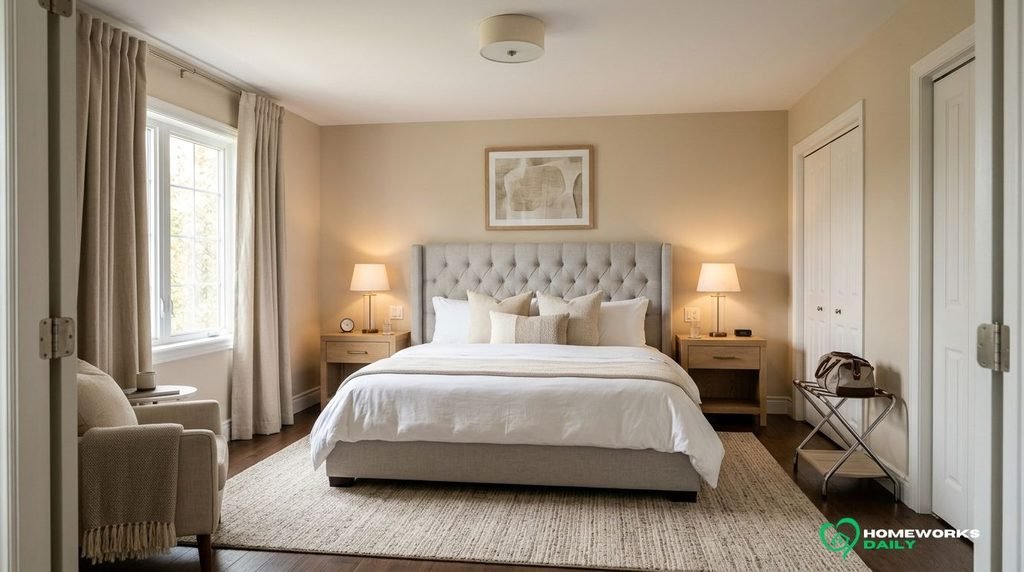
A luxurious bedroom should feel restful rather than overcrowded.
Start with a comfortable mattress, sturdy bed frame, appropriate pillows, and clean, well-maintained bedding.
Provide bedside tables, accessible reading lights, and convenient charging outlets.
Window coverings deserve special attention. Beautiful sheer curtains may look attractive during the day but offer little darkness for guests trying to sleep past sunrise.
Consider blackout curtains or shades where appropriate, paired with softer window treatments for daytime privacy.
Storage matters as well.
Guests need somewhere to unpack clothing, hang garments, and place suitcases without blocking the floor.
You don’t necessarily need oversized custom closets. A practical hanging rail, a few drawers, and a luggage rack may solve the problem.
Finally, consider noise. A bedroom adjoining the main television wall may need acoustic improvements or furniture rearrangement before decorative upgrades.
Bathrooms: Create a Calm, Practical Experience
Bathrooms have an outsized influence on how polished a vacation rental feels.
Clean finishes, reliable hot water, effective ventilation, and accessible towel storage contribute more to everyday comfort than decorative plumbing fixtures alone.
Consider installing a shower niche or shelf that accommodates full-size toiletries. Add enough towel hooks or bars for the number of guests using the room.
Choose flooring with appropriate slip-resistance characteristics for wet conditions, and ensure the shower controls are easy to understand.
If you’re renovating for guests with mobility needs, evaluate shower entry, maneuvering space, toilet access, and the suitability of grab bars.
Grab bars require appropriate support and installation. They shouldn’t be improvised by attaching ordinary towel bars to drywall.
Use qualified local professionals when alterations affect plumbing, electrical systems, waterproofing, structure, or accessibility compliance.
Kitchen and Dining: Design for Real Meals
An impressive kitchen isn’t necessarily a useful kitchen.
For guests, convenience often comes down to having enough dishes, appropriate cookware, workable preparation space, and appliances they can operate confidently.
Match your kitchen inventory to the property capacity.
If the home accommodates eight guests, eight plates with no spares may become inconvenient when some are in the dishwasher.
Include sensible extras, drinking glasses, cooking utensils, a cutting board, and basic meal-preparation tools.
A coffee station is an easy opportunity to make the kitchen feel special. Keep coffee-making equipment, mugs, and related supplies together.
The same principle applies to trash and recycling. Clearly designated bins can prevent confusion without requiring lengthy house rules.
If you’re choosing countertops or flooring, think about stains, cleaning requirements, and repairability.
Hardwood flooring, for example, may look elegant, but its care requirements depend on the particular finish. HomeWorks Daily’s hardwood floor cleaning guide explains why moisture control and manufacturer-approved care are important.
Outdoor Areas: Extend the Comfort Beyond the Walls
Guests booking a vacation home may imagine slow mornings on the patio or evenings spent outdoors.
Make those spaces genuinely usable.
Comfortable seating, appropriate shade, secure railings where required, suitable exterior lighting, and a practical route back into the house are good starting points.
Select furniture designed for the local climate rather than assuming anything labeled “outdoor” will withstand continuous sun, rain, salt air, or freezing temperatures.
Outdoor kitchens, pools, hot tubs, and fire features require more consideration.
Before adding them, investigate maintenance needs, utility demands, insurance conditions, equipment instructions, and applicable safety requirements.
A beautiful hot tub that frequently breaks down can become a source of frustration rather than enjoyment.
If a premium outdoor feature isn’t financially practical, a well-designed seating area with durable cushions and thoughtful lighting may be the wiser improvement.
Smart Technology, Comfort, Safety, and Accessibility
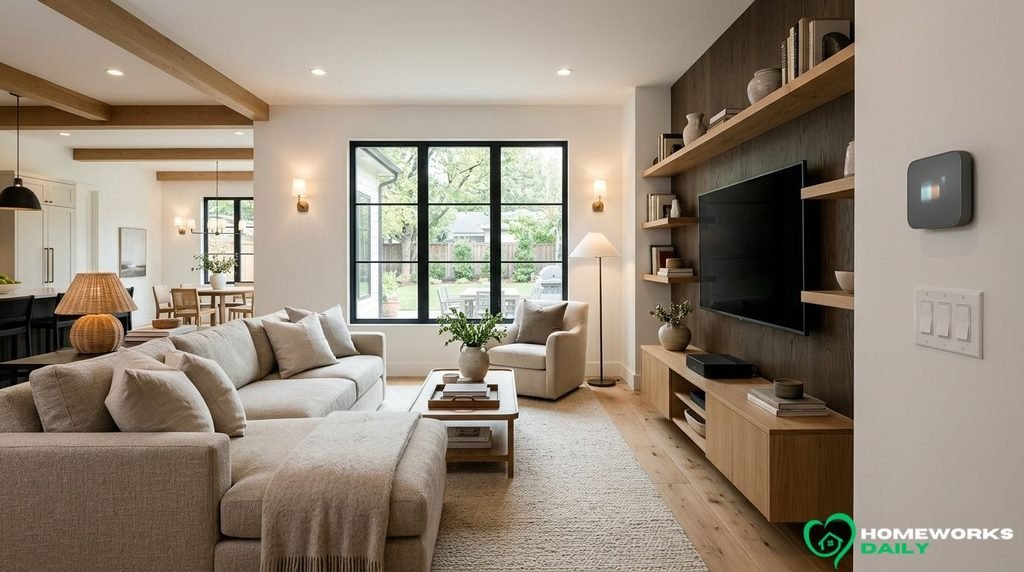
Technology should make a vacation rental easier to enjoy, not turn guests into amateur IT technicians.
Reliable Wi-Fi is a practical priority, especially for longer stays and guests working remotely.
Place the router strategically, assess coverage throughout the property, and verify performance in the rooms where guests are likely to work or stream content.
Smart locks can simplify arrival, but they should have a clear guest-access procedure and an appropriate backup plan.
Guest access credentials should be managed securely and changed or expired between stays as appropriate.
Likewise, smart lighting shouldn’t require every visitor to download an unfamiliar app. Keep intuitive physical controls available whenever practical.
Never Trade Safety for Appearance
Luxury design doesn’t replace basic safety precautions.
The U.S. Fire Administration’s smoke alarm guidance recommends alarms in every bedroom, outside separate sleeping areas, and on every home level. It also recommends interconnected alarms, monthly testing, and replacement based on alarm age and manufacturer instructions.
Hosts should also evaluate carbon monoxide alarms, fire extinguishers, emergency exits, stairways, pool barriers, and other applicable precautions.
Local requirements can differ depending on jurisdiction, occupancy, building type, and whether the property operates as a short-term rental.
Accessibility obligations also vary. A privately owned vacation home isn’t automatically subject to every rule governing hotels, and owners shouldn’t assume an ordinary residential layout qualifies as accessible.
Seek qualified local advice before making compliance claims or undertaking substantial renovations.
Indoor Comfort Deserves Equal Attention
Reliable heating, cooling, and ventilation are essential to a comfortable stay.
The Environmental Protection Agency’s indoor air quality guidance identifies pollutant source control, improved ventilation, and air filtration as important strategies for improving indoor air.
For vacation properties, this supports practical decisions such as maintaining appropriate exhaust ventilation, addressing moisture problems, and servicing heating and cooling equipment.
Don’t rely on decorative plants or air fresheners to solve persistent odor, ventilation, or moisture issues.
And make sure guests can adjust the temperature without navigating an unnecessarily complicated system.
Creating a Guest Guidebook That Matches Your Home
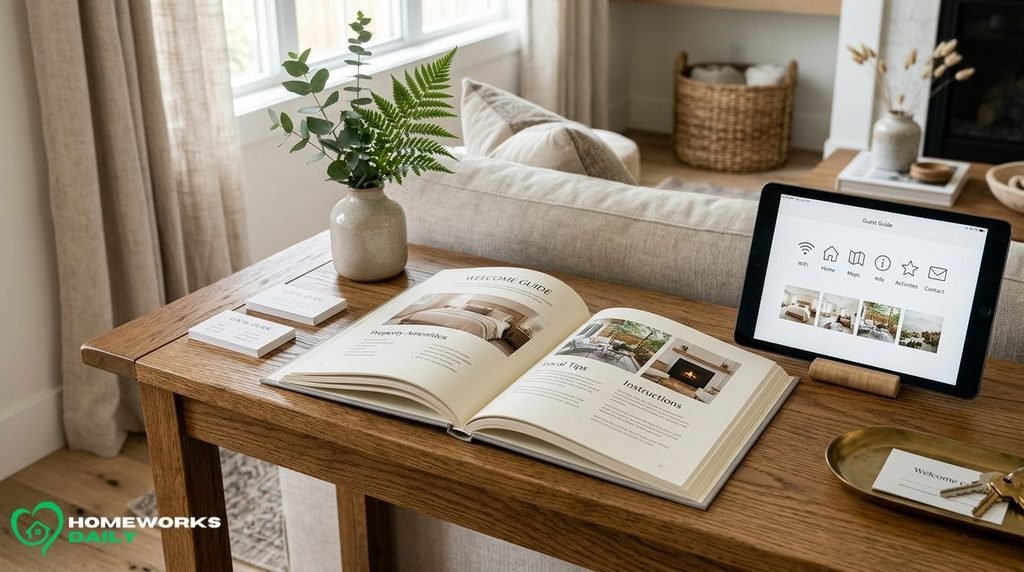
Once the home is thoughtfully designed, the guidebook should help guests use it confidently.
Think of the guidebook as a friendly companion to the property, not a long document full of warnings.
It should be accurate, easy to navigate, and written in straightforward language.
What Should a Luxury Rental Guest Guidebook Include?
A useful guest welcome guide typically covers:
- Arrival: Parking, entrance identification, check-in process, and assistance contacts.
- Home essentials: Wi-Fi information, heating and cooling, lighting, and where to find basic supplies.
- Amenities: Simple instructions for appliances, entertainment systems, outdoor equipment, and other special features.
- Safety: Emergency contacts, appropriate equipment locations, exit information, and property-specific precautions.
- Local recommendations: Restaurants, grocery stores, activities, and practical transportation information.
- Checkout: Clear departure time, key return or lock procedure, and reasonable checkout expectations.
Keep sensitive information, including active door codes and security details, in appropriately restricted communications rather than publicly accessible guidebooks.
Digital or Printed: Which Works Better?
Digital guidebooks are convenient to update and share before guests arrive.
They’re especially useful for arrival photographs, mapped recommendations, and appliance demonstrations.
However, printed instructions still have a place.
A small welcome binder or concise quick-reference card can help when guests have no internet connection, their phones are charging, or they simply prefer not to read another screen.
An effective approach is to provide a digital guidebook with a short printed quick-start sheet inside the property.
Use actual photographs of your equipment rather than generic product images whenever possible.
For example, showing the real thermostat alongside three short instructions is more helpful than linking to a lengthy manufacturer’s manual.
Know When to Improve the Home Instead of the Instructions
Imagine three questions from hypothetical guests:
“Where do we put our suitcases?”
That’s primarily a physical design problem. Add luggage racks or improve bedroom storage.
“How do we connect to the Wi-Fi?”
That’s usually an information problem. Make the network details easy to find and verify that they’re correct.
“Why won’t the patio door close properly?”
That’s a maintenance problem. Repair the door instead of asking guests to follow an awkward workaround.
This distinction is one of the most valuable ways to use guidebook feedback.
Every repeated question tells you something about the property’s usability.
Luxury Design Ideas for Different Budgets
Creating a high-end vacation home doesn’t require purchasing the most expensive version of every product.
What matters is spending according to guest needs, property conditions, and maintenance requirements.
Start With Essential Improvements
Address safety defects, unreliable equipment, worn-out mattresses, inadequate lighting, broken fixtures, and serious comfort problems first.
A new chandelier won’t compensate for poor temperature control.
Next, consider upgrades that improve both appearance and function, such as layered lighting, durable upholstery, better window treatments, and attractive storage solutions.
Premium additions come later, once the basics work consistently.
Upgrade Priority Comparison
| Design Upgrade | Guest Benefit | Budget Priority | Maintenance Consideration |
| Mattress and quality bedding | Better sleep comfort | High | Mattress protection, laundering, replacement |
| Reliable Wi-Fi and straightforward controls | Everyday convenience | High | Troubleshooting and network upkeep |
| Lighting improvements | Better atmosphere and usability | High | Bulb and fixture replacement |
| Durable furniture | Comfortable shared spaces | High to medium | Upholstery cleaning and repairs |
| Blackout window coverings | Sleep and privacy | Medium to high | Cleaning and hardware upkeep |
| Coordinated decor and artwork | More polished appearance | Medium | Dusting and damage management |
| Premium outdoor furniture | Comfortable outdoor gathering | Property-dependent | Weather protection and storage |
| Hot tub or advanced entertainment system | Additional recreational appeal | Optional | Repairs, servicing, utilities, and safety |
These priorities are editorial recommendations, not universal hospitality grading requirements.
A mountain retreat with a strong outdoor focus may reasonably prioritize outdoor amenities differently from an urban apartment.
Ask Five Questions Before Buying
Before investing in an upgrade, consider what problem it solves, which guests would benefit, whether a simpler alternative works, how difficult it is to maintain, and what the manufacturer or local rules require.
For example, a custom smart-lighting system might create impressive scenes. But several well-placed lamps and straightforward dimmers may provide a similar atmosphere with less complexity.
Buying carefully is part of designing luxuriously.
Common Luxury Vacation Rental Design Mistakes
Some of the most expensive design mistakes begin with attractive ideas that haven’t been tested against everyday use.
Choosing appearance over durability. Delicate furniture, easily stained surfaces, and fragile accessories may require frequent replacement. Choose materials appropriate for the expected wear.
Overdecorating. Too many sculptures, throw pillows, or decorative trays can reduce usable space and complicate cleaning. Leave practical surfaces available.
Ignoring actual occupancy. Count comfortable seating, dining places, storage options, and bathroom access instead of relying only on the number of beds.
Making technology unnecessarily complicated. Guests shouldn’t need multiple accounts or apps to perform basic household tasks. Simplify controls and offer clear alternatives.
Underestimating cleaning and turnover. Deeply textured surfaces, difficult-to-access fixtures, and overly complicated bedding arrangements can create unnecessary work between stays.
Advertising amenities without checking usability. A workspace needs suitable seating and connectivity. An outdoor dining area needs practical lighting and weather considerations.
Using the guidebook to excuse poor maintenance. Instructions may explain unfamiliar equipment, but they shouldn’t normalize faulty locks, unsafe steps, or unreliable plumbing.
A useful question is: Will this design still make sense when the home is occupied, not just when it’s being photographed?
Test the Home Like a First-Time Guest
Before accepting reservations, run a guest-experience walkthrough.
For a more objective assessment, ask a trusted person who doesn’t already know the property to test it with your permission.
Give them the same arrival instructions a guest would receive. Then see whether they can locate the entrance, unlock the door, find essential supplies, operate the lights, connect to Wi-Fi, and understand the checkout process.
Don’t coach them through the experience.
Record the problems in a simple guest-friction log with three categories:
| Problem Discovered | Best Response | Example |
| Physical design issue | Change the environment | Add a luggage rack |
| Information issue | Improve the guidebook | Label the correct thermostat controls |
| Maintenance or safety issue | Repair and reassess before use | Fix a sticking exterior door |
Repeat the walkthrough after major renovations or equipment changes.
This testing method is an editorial design exercise, not an official certification. Its advantage is that it reveals inconveniences owners may overlook because they’re already familiar with the home.
Luxury Vacation Rental Design Checklist
Use this practical checklist before welcoming your first guests.
Arrival and First Impressions
- The property is easy to identify and locate.
- Parking and entry instructions match the actual property.
- Walkways, entrances, and exterior lighting have been checked.
- Entry access works, with an appropriate backup procedure.
- Guests have a convenient place for luggage and belongings.
Rooms and Everyday Comfort
- Sleeping arrangements match the advertised occupancy.
- Mattresses, pillows, linens, and window coverings are ready.
- The living and dining areas have sufficient usable seating.
- Kitchen equipment, tableware, and basic supplies are organized.
- Bathroom fixtures, ventilation, and towel storage are functional.
- Wi-Fi, heating, cooling, and ordinary lighting controls have been tested.
Safety and Maintenance
- Required safety devices are installed and maintained appropriately.
- Exit routes, doors, stairs, and outdoor surfaces have been inspected.
- Local short-term rental, building, and accessibility requirements have been reviewed.
- Electrical, plumbing, and structural concerns have been addressed by qualified professionals when needed.
- Furniture, flooring, and outdoor equipment have realistic maintenance plans.
Guidebook and Final Guest Test
- Arrival and property instructions are current and accurate.
- Sensitive access information is shared securely.
- Unusual appliances and amenities have concise instructions.
- Emergency and local information is easy to find.
- Checkout expectations are clear and reasonable.
- Someone unfamiliar with the home has completed a walkthrough.
Frequently Asked Questions
1. What are luxury vacation rental guidebook criteria?
They are practical considerations related to guest information, property usability, amenities, safety, comfort, and arrival experience. There is no single universal construction standard officially known by this exact term. Homeowners can use the concept as a planning framework for a better vacation rental.
2. How do you design a home for a luxury vacation rental?
Start by identifying your likely guests and mapping their activities throughout a stay. Prioritize comfortable sleeping arrangements, functional living spaces, reliable amenities, intuitive controls, and appropriate safety precautions. Then create a guest guidebook that accurately explains the property’s features.
3. What amenities do guests expect from a luxury vacation rental?
Expectations depend on the property, destination, price positioning, and guest profile. Comfortable bedding, effective climate control, reliable internet, clean bathrooms, practical kitchens, and well-maintained furnishings are strong starting points. Features such as pools, hot tubs, and entertainment systems may be worthwhile when they suit the property’s market and maintenance capacity.
4. How can you make a vacation rental feel luxurious on a budget?
Focus on cleanliness, consistent decor, good lighting, quality bedding, comfortable seating, and thoughtful organization. Replace worn essentials before buying decorative accessories. A coordinated room with reliable furnishings often feels more welcoming than an expensive but poorly arranged space.
5. What’s the difference between a guest guidebook and a house manual?
A guest guidebook generally helps visitors understand the destination and enjoy their stay. A house manual focuses more directly on operating the property, locating supplies, and following house-specific procedures. Some hosts combine both functions in one digital document, although platforms may treat them as separate features.
6. How should a digital guidebook connect with the home’s actual design?
It should reflect the equipment, layout, and amenities guests will encounter. Include accurate instructions and photographs where useful, but simplify confusing physical features first. A guidebook should help guests navigate the home rather than compensate for poor design or unresolved maintenance.
7. Which luxury home upgrades should owners prioritize first?
Start with safety, reliable building systems, sleep comfort, cleanliness, adequate seating, and functional kitchens and bathrooms. Next, consider lighting, storage, durable finishes, and destination-specific amenities. Evaluate premium upgrades against their maintenance needs and likely value to your intended guests.
Final Thoughts
Designing a luxury vacation rental isn’t about filling a property with expensive furniture or copying the latest interior design trend.
It’s about creating a place that feels welcoming, comfortable, safe, and easy to enjoy.
Luxury Vacation Rental Guidebook Criteria offer a useful way to approach that challenge. By thinking about the guest journey, you can identify which design choices need attention, which amenities genuinely add value, and where clearer information makes the experience smoother.
The strongest vacation homes combine three qualities: beautiful spaces, dependable functionality, and thoughtful hospitality.
Start with the basics. Make each room easier to use. Choose materials you can maintain confidently. Then create a guidebook that complements the property rather than explaining away its weaknesses.
For more practical ideas about planning, maintaining, and improving your home, explore the home improvement resources at HomeWorks Daily.
Because a home that works beautifully is usually more satisfying than one that only looks beautiful.