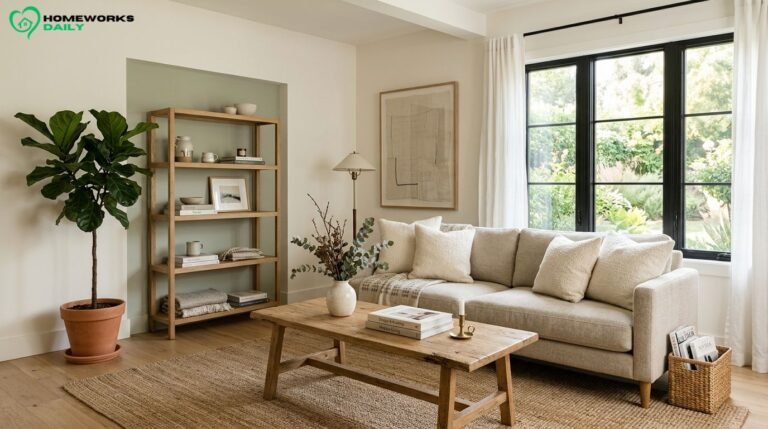
You can buy a beautiful sofa, arrange your favorite throw pillows, and choose the perfect paint color, yet still end up with a living room that feels strangely unfinished. Sometimes, the problem isn’t the furniture. It’s the lighting.
A harsh ceiling light can make a cozy space feel cold, while a pretty table lamp might look wonderful but provide barely enough light to read a book.
If you’ve been searching for lamps4u, you’re probably looking for lighting products, shopping options, or information about a particular website using that name.
Here’s what matters: lamps4u appears across more than one lighting-related website. One U.S.-focused site features deals from third-party retailers, so identifying the actual seller is just as important as choosing the right lamp.
This guide explains the name, explores popular lighting options, and shows you how to compare brightness, style, safety, and long-term value before spending your money.
What Is lamps4u, and What Should Shoppers Know?
lamps4u is a name associated with multiple lighting-related websites, rather than one clearly established business operating under a single online identity. For U.S. shoppers, the most useful distinction is between a website that helps visitors discover products and the retailer that actually handles their purchase.
For example, lamps4u.shop describes itself as a U.S.-focused lighting deals website featuring products from retailers such as Amazon, eBay, and Walmart.
Its categories include table lamps, floor lamps, desk lamps, LED lighting, bedside lamps, and decorative options. Its published affiliate disclosure also explains that the website participates in affiliate advertising programs.
Meanwhile, lamps4u.net uses the same name and publishes lighting-related information alongside broader lifestyle and general-interest content. These websites should not automatically be treated as the same business.
The important distinction is that a product discovery website, an individual retailer, and a lighting manufacturer have different responsibilities.
A discovery platform may introduce you to a lamp, but the retailer handling checkout may determine payment terms, delivery, returns, and customer support.
The practical takeaway: Before evaluating any lamps4u recommendation or deal, confirm the exact website you’re visiting and identify who will actually sell and ship the product.
Why Choosing the Right Lighting Matters
Lighting affects more than whether you can see across a room. It changes how a space functions, how colors appear, and how comfortable everyday activities feel.
Think about a living room where someone reads in one corner, another person watches television, and the family occasionally entertains guests.
One bright overhead fixture may illuminate the entire space, but it doesn’t necessarily serve each activity well.
That’s where layered lighting becomes useful.
A well-planned room typically combines three types of light:
- Ambient lighting: General illumination that helps you move comfortably around the room.
- Task lighting: Focused light for activities such as reading, cooking, writing, or working.
- Accent lighting: Decorative illumination that highlights artwork, shelving, architectural features, or other details.
These layers can work together without making the room excessively bright.
For example, a shaded floor lamp beside the sofa can support reading, while a small table lamp across the room provides a softer background glow.
You may discover that adding light in the right place makes a greater difference than installing a brighter ceiling bulb.
Types of Lamps to Consider for Your Home
Different lamp styles solve different problems. Understanding their strengths will help you narrow your choices before comparing individual products.
Table Lamps for Everyday Spaces
Table lamps are among the most versatile lighting options for bedrooms, living rooms, and entryways.
A shaded table lamp can soften the appearance of a room while providing convenient illumination near a bed or sofa.
However, not every table lamp is practical for reading. A heavily tinted or opaque shade may direct most of its light downward or upward, leaving the surrounding area relatively dim.
Before choosing one, check its overall height, shade dimensions, switch placement, and the type of light it produces.
A beautiful lamp that requires you to reach awkwardly behind a nightstand every evening can quickly become frustrating.
Floor Lamps for Living Rooms
Floor lamps are especially helpful when you need additional light without using valuable tabletop space.
An arc floor lamp can extend over part of a seating area, while a straight, shaded floor lamp may fit more comfortably into a narrow corner.
For small living rooms, consider a model with a compact, stable base rather than a large tripod design that spreads across valuable floor space.
Pay attention to the direction of the light, too. An uplight can brighten nearby walls or ceilings, but it may not provide enough focused illumination for reading.
A floor lamp with an adjustable head may be more useful when you need to direct light onto a book or work surface.
Desk Lamps for Work and Study
A good desk lamp should illuminate your work without shining directly into your eyes or reflecting harshly from your monitor.
Adjustable arms, movable heads, dimming controls, and a stable base can make everyday use easier.
A clamp-style lamp may be particularly useful on a small desk because it frees up work surface space.
Before buying, consider where the lamp will sit, whether the arm can reach the area you’re working on, and whether its light creates distracting reflections.
LED Lamps and Energy-Efficient Options
LED lighting is a practical option for many everyday applications because it can provide useful brightness while consuming less electricity than traditional incandescent lighting.
The U.S. Department of Energy’s lighting guidance emphasizes comparing light output in lumens rather than relying on wattage alone.
But the LED label isn’t enough to judge quality.
Look for useful details such as brightness, color temperature, dimming compatibility, and whether the light source is replaceable.
Some lamps use standard, replaceable LED bulbs. Others have integrated LED components built into the fixture.
That difference matters if the light source eventually stops working.
Decorative and Accent Lighting
Decorative lighting includes stained-glass lamps, sculptural designs, colorful accent lamps, and other statement pieces.
These products can introduce character without requiring major changes to the room.
A stained-glass lamp, for example, may create attractive colored patterns but provide less useful reading light than a simple lamp with a translucent shade.
Likewise, a small cordless accent lamp can make a bookshelf or dining table feel inviting without lighting the entire room.
The key is understanding whether you’re buying a functional light source, a decorative object, or a combination of both.
How to Choose the Right Lamp for Your Space
The best lamp isn’t necessarily the largest, brightest, or most expensive one.
It’s the lamp that meets your needs, fits your space, and remains convenient to use.
Start With the Room’s Purpose
Before browsing styles, ask yourself one straightforward question:
What do I actually need this lamp to do?
If you want to read comfortably in bed, prioritize a focused light that’s easy to switch off or dim.
If you need to brighten a dark living room corner, a floor lamp that spreads light broadly may make more sense.
And if your goal is simply to add atmosphere to a hallway console, decorative appearance may matter more than maximum brightness.
This distinction prevents a common shopping disappointment: buying a lamp you love visually but rarely use because it doesn’t perform the intended job.
Consider Brightness and Color Temperature
Two of the most useful lighting specifications are lumens and Kelvin.
Lumens describe how much visible light a source produces. More lumens generally means greater total light output.
As a familiar reference, approximately 800 lumens is commonly associated with the brightness of a traditional 60-watt incandescent bulb. An efficient LED can produce similar brightness while using substantially less power.
However, the right amount of light depends on the activity, shade, positioning, and other lighting already in the room.
Kelvin (K) describes the appearance of white light, from warmer yellowish tones to cooler, bluer tones.
According to ENERGY STAR’s lighting criteria, lower color temperatures around 2700K–3000K produce warmer-looking light, while temperatures of 4000K and above appear cooler.
For practical home use:
- 2700K–3000K: A useful starting point for cozy living rooms and bedrooms.
- 3500K–4000K: Worth considering for offices, kitchens, and areas where you prefer a more neutral appearance.
- 5000K: Produces a cooler, daylight-like appearance that may suit selected task areas but can feel stark in some relaxation spaces.
These are preferences and starting points, not rules for every room.
Another specification worth understanding is the Color Rendering Index, or CRI, which describes how accurately colors appear under a light source. For areas where color distinction matters, such as makeup stations or art desks, consider comparing higher-CRI options.
Look Beyond the Bulb: Consider Where the Light Goes
Here’s an often-overlooked detail: two lamps with similar lumen ratings can feel completely different.
Why? Because shades, reflectors, and lamp heads distribute light differently.
A dark, opaque shade may concentrate the light into smaller areas. A light-colored fabric shade may allow more illumination to spread through its sides.
An exposed bulb can create distracting glare even when its total brightness seems reasonable.
Imagine sitting on your sofa with a lamp beside you. If you can see the bright bulb directly from your normal seated position, the lamp may become uncomfortable to look toward.
Before buying, study photographs showing the lamp switched on. Look for information about its shade material and beam direction rather than judging the fixture from an unlit product image.
This is especially important for reading lamps.
Measure Size, Placement, and Stability
Online product photography can make a compact lamp look surprisingly large—or make a bulky fixture appear understated.
Check the published measurements against your furniture.
For a bedside table, consider the lamp’s base footprint and how much room remains for your phone, water glass, or other essentials.
For a floor lamp, measure the available floor space and check whether the base will interfere with foot traffic.
Don’t forget the cord.
A lamp that looks perfect in a corner may be impractical if its cord must stretch across a walkway to reach an outlet.
If children or pets frequently move through the room, prioritize stable construction and a placement that reduces the chance of tipping or pulling.
Compare Features, Durability, and Long-Term Value
A low purchase price doesn’t automatically mean good value.
Consider two hypothetical lamps. One costs less but uses a nonreplaceable integrated light source and has limited warranty information. Another costs more but accepts a widely available replacement bulb and has clearer support terms.
The second option may offer better long-term value, depending on build quality, use, and replacement costs.
Features worth comparing include dimming, adjustable positioning, accessible switches, replaceable components, and practical warranty coverage.
For smart lamps, also check whether basic functions remain available without an app or internet connection. That’s a useful consideration if you want to keep the lamp for years.
For rechargeable lamps, compare operating time at the brightness setting you actually expect to use—not just a manufacturer’s maximum runtime under unspecified conditions.
lamps4u: What to Check Before Buying
If you discover a product through lamps4u, it’s worth spending a few extra minutes examining the details behind the listing.
For lamps4u.shop specifically, the website’s affiliate disclosure indicates that some links lead to third-party retailers. That means the information displayed on the discovery page isn’t necessarily the final set of purchase terms.
Use this checklist before ordering:
- Confirm the website and final retailer. Check the domain name carefully and identify the business responsible for checkout, fulfillment, and returns.
- Match the exact product. Compare the model number, manufacturer, size, color, included accessories, and bulb requirements. Similar photographs don’t always represent identical products.
- Read the technical specifications. Look for dimensions, lumens, color temperature, voltage, bulb-base type, maximum permitted wattage, and installation requirements.
- Review delivery and return terms. Check estimated shipping dates, delivery charges, return windows, return shipping costs, and whether any restocking fees apply.
- Evaluate customer feedback carefully. Prioritize reviews that discuss assembly, stability, brightness, switch reliability, and longer-term performance. Don’t rely solely on an overall star rating displayed on an intermediary website.
- Verify electrical suitability. Confirm that the lamp is designed for your location and intended use. When appropriate, look for authentic certification from a recognized testing organization.
The Electrical Safety Foundation International explains that nationally recognized testing laboratories evaluate electrical products against applicable safety requirements. Examples include UL and Intertek, which uses the ETL mark.
For U.S. households, verify that imported electrical equipment is compatible with the power supply. A plug adapter doesn’t automatically make an incompatible lamp safe to operate.
Bathrooms, patios, and other moisture-prone spaces require additional attention. A decorative indoor fixture shouldn’t be assumed suitable for damp or wet conditions.
For hardwired fixtures or uncertain electrical requirements, consult a qualified electrician.
And remember: if you see a compelling deal, compare the exact model with other retailers before purchasing. A headline discount is less meaningful than the complete price, including shipping and any necessary accessories.
Lighting Options Compared: Which Lamp Fits Your Needs?
Different lamp types offer different advantages. This comparison can help you narrow down the most practical option.
| Lamp Type | Best Used For | Key Benefits | What to Check |
| Table lamp | Bedrooms, side tables, entryways | Convenient, versatile, decorative | Shade, height, base footprint, switch |
| Floor lamp | Living rooms, reading corners | Adds lighting without tabletop space | Stability, light direction, cord placement |
| Adjustable desk lamp | Home offices, study areas | Focused, repositionable illumination | Glare, reach, controls, brightness |
| Integrated LED lamp | Modern task or ambient lighting | Efficient, often compact | Replaceability, warranty, dimming |
| Cordless lamp | Flexible arrangements, accent lighting | Portable, no power cord during use | Battery runtime, charging, intended location |
| Decorative accent lamp | Shelves, consoles, mood lighting | Adds color, personality, visual interest | Actual brightness, materials, heat, stability |
A single lamp doesn’t have to handle every lighting requirement.
In many homes, combining a practical task light with softer ambient lighting produces a more useful result than expecting one decorative fixture to do everything.
Common Lighting Mistakes Worth Avoiding
Even carefully decorated homes can suffer from simple lighting mistakes.
Choosing Style Without Checking Function
A sculptural lamp might look fantastic beside your favorite chair, but if its shade directs light away from your book, it won’t make reading easier.
Start with functionality, then find a style you enjoy.
Assuming Brighter Always Means Better
More light isn’t automatically more comfortable.
A very bright lamp positioned at eye level can create glare, while a modestly bright adjustable lamp may illuminate your work more effectively.
Think about placement and light distribution before increasing brightness.
Ignoring Replacement and Maintenance Costs
An inexpensive fixture may be less appealing if its integrated lighting can’t be replaced or its unique bulb is difficult to source.
Check whether replacement parts are available and whether the warranty covers the components most likely to fail.
Forgetting the Room’s Existing Light
A lamp’s appearance changes depending on surrounding lighting, window placement, and wall colors.
A softly glowing lamp may look dramatic in a dark product photograph but contribute little to a room that already receives strong daylight.
Evaluate your actual lighting needs rather than shopping exclusively from styled images.
Overlooking Electrical and Physical Safety
Damaged cords, unstable bases, inappropriate bulb wattages, and unsuitable locations deserve serious attention.
Keep cords from being pinched under furniture, avoid overloading outlets, and follow the manufacturer’s instructions.
U.S. consumers can also check the Consumer Product Safety Commission’s recall database when researching a specific product or model.
Practical Lighting Ideas for Different Rooms
You don’t need an expensive lighting renovation to make a home feel more comfortable. Thoughtful placement can make a noticeable difference.
Living Room: Build Light Around Activities
For a small living room, consider placing a slim floor lamp beside the main seating area and a softer table lamp across the room.
This gives you useful light near the sofa while preventing one corner from carrying all the illumination.
If your living room already has decorative ceiling details, think about how those features interact with portable lamps. Our guide to tray ceiling design and lighting ideas explores ways to use indirect and recessed lighting to complement a room’s architecture.
Bedroom: Keep Lighting Convenient and Comfortable
Bedside lamps should be easy to reach without getting out of bed.
If you often read at night, consider an adjustable reading lamp rather than relying entirely on a decorative bedside shade.
Dimming can also be helpful when you want a softer setting before sleep.
A practical alternative for smaller bedrooms is a wall-mounted reading light, provided the installation is suitable for the space.
Home Office: Control Shadows and Screen Glare
An adjustable desk lamp allows you to direct light toward paperwork without flooding your entire workspace.
If you’re right-handed, positioning the light toward your left may reduce shadows when writing; left-handed users can try the opposite arrangement.
Check the lamp’s position against your computer screen and adjust it to reduce reflections.
Bathroom: Prioritize Suitability Over Decoration
Bathroom lighting needs special consideration because electrical fixtures may be exposed to moisture.
Choose products with location ratings appropriate for their placement, and don’t assume that every attractive pendant or hanging fixture belongs near a shower.
For more detailed guidance, read HomeWorks Daily’s article on bathroom hanging lamps and safe fixture placement.
Entryway or Hallway: Create a Welcoming First Impression
A compact table lamp on an entryway console can soften the appearance of a hallway, particularly when paired with existing ceiling lighting.
Choose a base that fits securely on the surface and doesn’t interfere with keys, bags, or other everyday items.
In narrow hallways, keeping floor areas clear may be more important than adding a decorative floor lamp.
Frequently Asked Questions About lamps4u
1. What is lamps4u?
lamps4u is a name used by multiple lighting-related websites. The U.S.-focused lamps4u.shop describes itself as a lighting discovery and deals platform featuring products associated with third-party retailers. Another website, lamps4u.net, publishes lighting material alongside general-interest content. Always identify the exact domain before making assumptions about products, ownership, or shopping services.
2. Does lamps4u sell lamps directly?
That depends on the specific website and product listing. lamps4u.shop states that it participates in affiliate advertising and features products from external retailers. Some listings direct visitors to another website to buy the item. Check the final checkout page to determine who sells the product and handles fulfillment, returns, and support.
3. Which type of lamp works best in a small living room?
A slim floor lamp or compact table lamp often works well in a small living room. The better choice depends on available floor space, nearby furniture, and whether you need reading light or general illumination. Look for a stable base, suitable light direction, and cord placement that won’t obstruct walkways.
4. Are LED lamps a practical choice for everyday use?
Yes. LED lamps are often practical because they can provide useful brightness with relatively low electricity consumption. They’re available in different brightness levels and color temperatures. However, compare dimming compatibility, replaceability, light quality, and warranty details rather than assuming every LED lamp performs equally well.
5. Should I compare lumens or watts when buying a lamp?
Use lumens to compare light output and watts to understand power consumption. A higher-wattage bulb isn’t necessarily brighter when you’re comparing different lighting technologies. Also consider the lamp’s shade and beam direction, because the amount of light reaching your reading area matters more than the number printed on the package alone.
6. Can I use an imported lamp in a U.S. home?
Only if its electrical specifications are compatible with your intended power supply and use. Standard U.S. household outlets typically provide 120 volts, while some imported lamps are designed for different voltages. Check the product label, plug, power adapter, and applicable safety information. A simple plug adapter doesn’t convert voltage.
7. How can I tell whether a lamps4u deal is worth buying?
Compare the exact product model, retailer identity, total delivered price, specifications, and return conditions. Check customer feedback on the selling retailer’s website, paying particular attention to repeated complaints about quality or performance. If essential information is missing or the seller cannot be identified confidently, it’s sensible to keep shopping.
Final Thoughts
Good home lighting isn’t about filling every corner with expensive fixtures. It’s about placing the right kind of light where you actually need it.
The same principle applies when researching lamps4u.
Start by identifying the specific website and understanding whether you’re browsing product recommendations or purchasing from a retailer. Then compare lamp styles, brightness, color temperature, physical dimensions, electrical suitability, and long-term value.
A thoughtful purchase should make your room more enjoyable without introducing unnecessary inconvenience or safety concerns.
If you’re planning other home updates, explore more of HomeWorks Daily’s decorating and home improvement guides for practical ideas that help your spaces look better and work better every day.