Picture a summer afternoon when the tomatoes are turning red, the cucumbers are ready to pick, and there’s enough parsley growing beside the patio to fill a small bowl. You don’t need a complicated recipe to make something wonderful with that harvest.
Coban Salatasi is a traditional Turkish shepherd’s salad made with chopped tomatoes, cucumbers, green peppers, onions, and parsley, dressed simply with lemon juice, olive oil, and salt. To prepare it, wash and dice the vegetables, chop the herbs, mix the dressing, and toss everything together just before serving.
The whole process takes about 20 minutes, requires no cooking, and works just as well with grocery-store vegetables as it does with produce from your kitchen garden.
Here’s how to choose the best ingredients, keep the salad pleasantly crisp, and make the most of whatever your garden gives you.
What Is Coban Salatasi?
Coban Salatasi, written Çoban salatası in Turkish, means “shepherd’s salad.” It’s a familiar part of Turkish cuisine, particularly during warmer months when fresh tomatoes, cucumbers, and peppers are plentiful.
Unlike leafy green salads, Turkish shepherd’s salad relies on chopped vegetables. The tomatoes provide juicy sweetness, cucumbers bring crunch, green peppers add a fresh vegetal flavor, and onion gives the mixture a gentle bite. Parsley, olive oil, and lemon juice bring everything together.
The result is light, refreshing, and wonderfully uncomplicated.
It’s commonly served alongside grilled meat, kebabs, rice dishes, and other everyday meals. You can also enjoy it with bread for a simple lunch.
The Republic of Türkiye’s Ministry of Culture and Tourism includes shepherd’s salad among its examples of Turkish cuisine. Its published preparation uses cucumbers, tomatoes, green peppers, spring onions, parsley, fresh mint, olive oil, lemon juice, and salt.
Recipes differ between households. Some use red or white onions, others prefer scallions, and some include fresh mint. The version below keeps the familiar Turkish combination while using ingredients that American home gardeners can easily grow or find.
Why Kitchen Garden Vegetables Work So Well
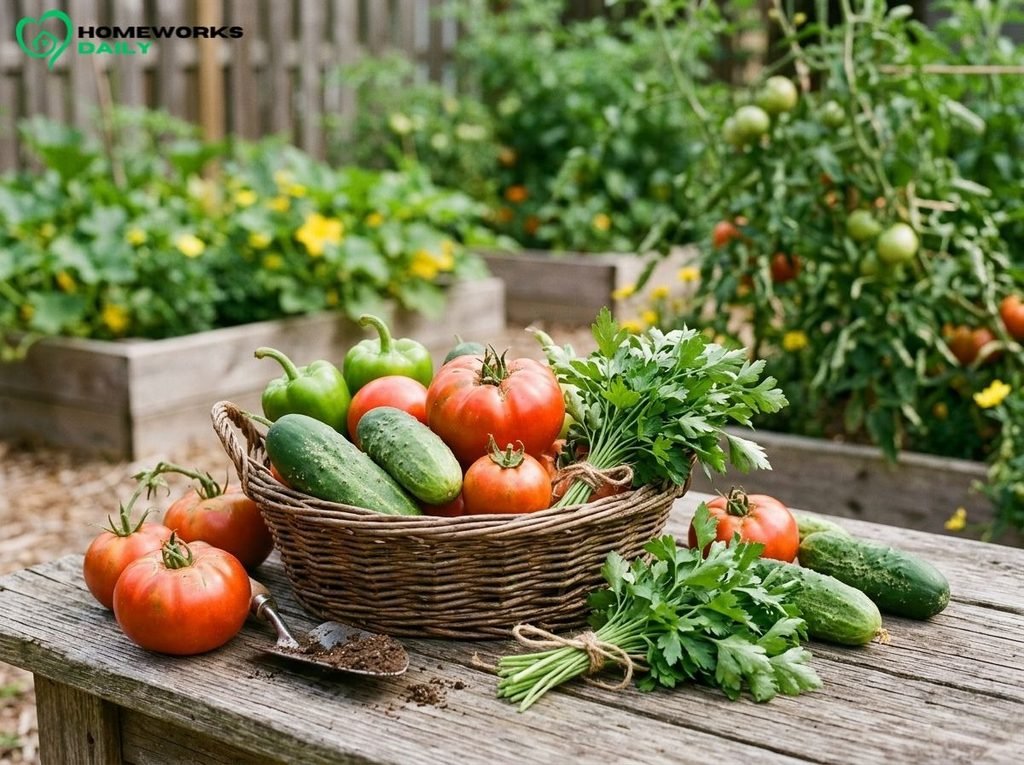
You don’t need homegrown vegetables to make delicious Coban Salatasi. Still, there’s something especially practical about preparing a salad when several of its ingredients are ready to harvest at once.
Because the vegetables aren’t cooked, their natural textures and flavors play an important role.
A ripe tomato contributes sweetness and juice. A freshly harvested cucumber offers a pleasant crunch. A crisp green pepper adds contrast, while recently picked parsley brings a lively herbal note.
Growing your own vegetables also gives you more control over when to pick them.
Instead of choosing tomatoes simply because they’re available at the supermarket, you can wait until they’ve developed their mature color and are ripe without becoming overly soft.
You can also harvest a smaller cucumber before its seed cavity becomes large and watery.
For a salad built around simple ingredients, those choices matter.
And you don’t need a large backyard. A sunny patio with container tomatoes, a cucumber plant, and a pot of parsley can provide part of the recipe. Everything else can come from your local grocery store.
Fresh Ingredients for Coban Salatasi
This recipe makes four side-dish servings.
The quantities provide a balanced starting point, but produce sizes naturally vary. A particularly juicy tomato or strong onion may require a small adjustment at the end.
| Ingredient | Suggested Amount | Why It Matters | Garden or Store-Bought Alternative |
| Ripe tomatoes | 3 medium, about 1 lb (450 g) | Provide juicy sweetness and the salad’s main flavor | Garden slicing tomatoes, Roma tomatoes, or halved cherry tomatoes |
| Cucumber | 1 medium, about 8 oz (225 g) | Adds crunch and freshness | Homegrown slicing cucumber, English cucumber, or 2–3 small Persian cucumbers |
| Mild green pepper | 1 small, about 1/2 cup diced | Gives the salad a crisp, lightly grassy flavor | Mild Turkish-style green pepper or green bell pepper |
| Red onion | 1/4 medium, about 1/4 cup finely chopped | Adds a pleasantly sharp contrast | White onion or 2–3 scallions |
| Fresh flat-leaf parsley | 1/3 cup chopped | Adds fresh herbal flavor | Garden parsley or store-bought Italian parsley |
| Extra-virgin olive oil | 2 tablespoons (30 mL) | Rounds out the acidity and lightly coats the vegetables | Your preferred good-quality olive oil |
| Fresh lemon juice | 2 tablespoons (30 mL) | Brings brightness and balances the tomato juices | Freshly squeezed lemon is preferred; bottled lemon juice works when necessary |
| Fine salt | 1/4 teaspoon to start | Brings the vegetable flavors together | Fine sea salt or table salt, adjusted to taste |
Optional: Add 1 tablespoon of finely chopped fresh mint for a more aromatic salad. Mint appears in some Turkish preparations, including the Ministry’s published recipe, but this version doesn’t require it.
Choosing the Best Tomatoes
Tomatoes deserve extra attention because they contribute much of the salad’s flavor and moisture.
Choose tomatoes that have reached their mature color, smell pleasantly tomato-like near the stem, and give slightly under gentle pressure.
They should be ripe, but not collapsing or leaking heavily.
If you’re growing your own tomatoes, you don’t have to choose the prettiest ones. A slightly irregular tomato can work perfectly well if it’s sound, ripe, and free from spoilage.
Roma tomatoes are useful when you prefer a less juicy salad because they generally have firmer flesh and fewer watery seed pockets than many large slicing varieties.
Cherry tomatoes work too. Halve or quarter them rather than leaving them whole so their juices can mingle with the dressing.
How to Make Coban Salatasi Step by Step
<text></text>
Recipe overview
- Preparation time: 20 minutes
- Cooking time: 0 minutes
- Total time: 20 minutes
- Yield: 4 side-dish servings
- Cuisine: Turkish
- Method: No-cook
- Difficulty: Beginner-friendly
Equipment: Cutting board, sharp knife, large mixing bowl, small bowl, and fork or whisk.
Step 1: Harvest or Select Your Vegetables
Gather the tomatoes, cucumber, pepper, onion, and parsley listed above.
If you’re collecting vegetables from the garden, choose firm, healthy produce and avoid anything rotten or badly damaged.
Look for cucumbers with firm skins and no shriveled ends. The green pepper should feel crisp, and the parsley should have fresh-looking leaves rather than yellowing or wilted foliage.
Don’t worry if only some ingredients are homegrown. Combining one backyard tomato with store-bought vegetables still makes a worthwhile salad.
Step 2: Wash and Dry Everything
Wash your hands with soap and water before preparing the ingredients.
Rinse the tomatoes, cucumber, pepper, and parsley thoroughly under running water. Gently rub the vegetables to remove visible soil. Use a clean produce brush on the cucumber when appropriate.
Pat everything dry with a clean towel or paper towel.
The FDA’s guidance on selecting and serving produce safely recommends washing produce under running water, including homegrown vegetables. Don’t wash vegetables with dish soap, detergent, or commercial produce wash.
Keep your cutting board and knife clean and separate from utensils used for raw meat.
Drying the vegetables also helps prevent unnecessary water from diluting the dressing.
Step 3: Cut the Tomatoes, Cucumbers, and Pepper
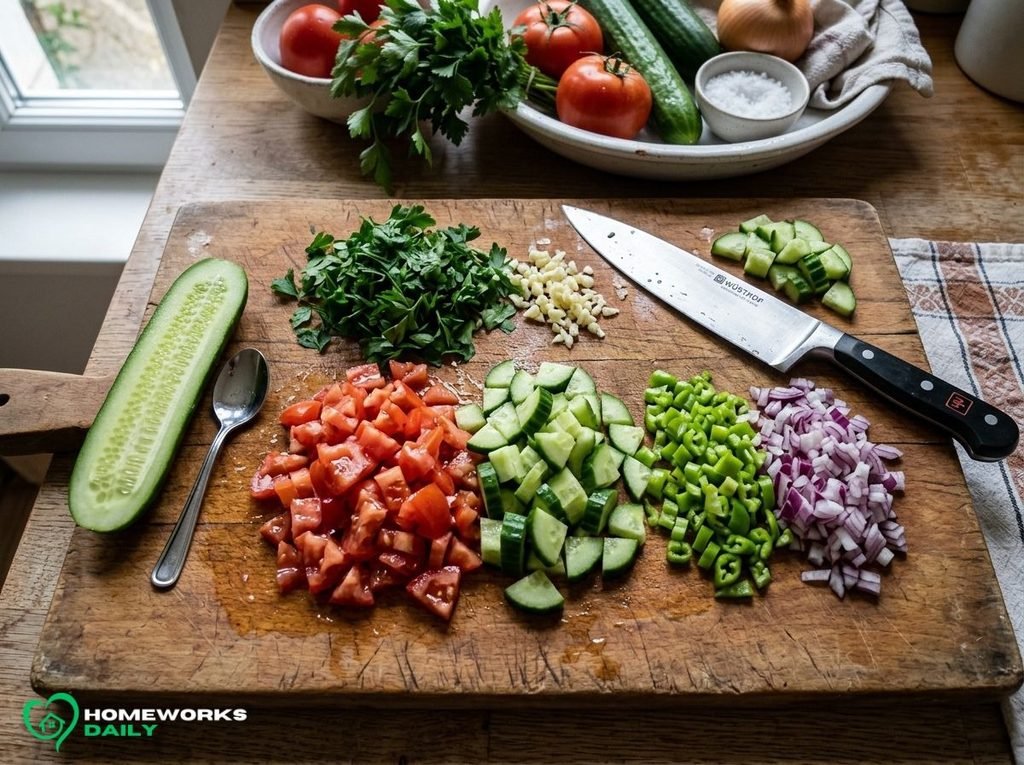
Dice the three tomatoes into pieces approximately 3/8–1/2 inch (about 1 cm) wide.
Cut the cucumber into similarly sized pieces. You can leave the skin on if it’s tender and pleasant to eat, or peel it if it’s particularly thick.
If your homegrown cucumber has a large, watery seed center, scoop out that portion with a spoon before chopping. This is optional, but it helps prevent excess liquid from collecting in the finished salad.
Remove the green pepper’s stem, seeds, and inner white ribs. Dice the flesh into small pieces.
Aim for vegetables that are roughly the same size. They don’t need to be perfectly uniform, but you want a little of each ingredient in every forkful.
Step 4: Prepare the Onion and Parsley
Finely chop 1/4 of a medium red onion, measuring approximately 1/4 cup.
If the onion smells especially strong, place the chopped pieces in cold water for five minutes. Drain and pat them dry before adding them to the salad.
This optional step can soften the onion’s sharpness.
Next, remove any tough parsley stems and finely chop enough leaves and tender stems to make 1/3 cup.
If you’re using the optional mint, chop 1 tablespoon now.
Step 5: Mix the Lemon and Olive Oil Dressing
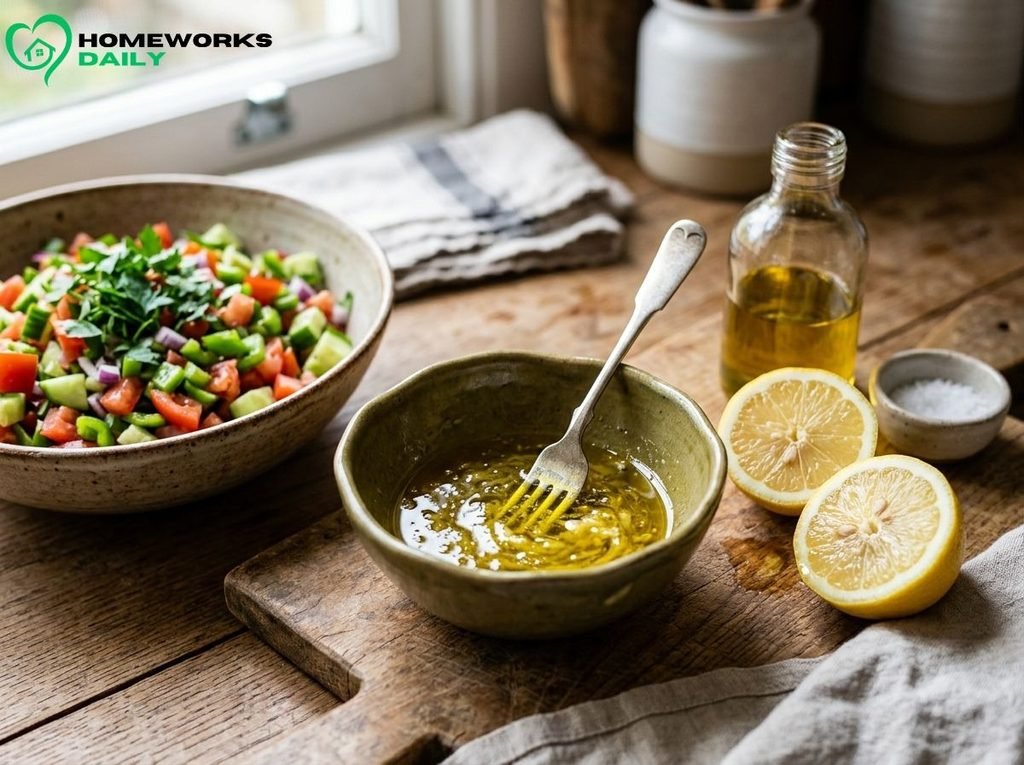
In a small bowl, combine:
- 2 tablespoons extra-virgin olive oil
- 2 tablespoons fresh lemon juice
- 1/4 teaspoon fine salt
Whisk with a fork until the mixture is temporarily blended.
This simple dressing should taste bright without completely overpowering the tomatoes and cucumbers.
You don’t need sugar, mayonnaise, or a bottled salad dressing.
Step 6: Combine the Salad
Place the diced tomatoes, cucumber, pepper, onion, and parsley in a large mixing bowl.
Add the optional mint if using.
When you’re ready to eat, pour the lemon and olive oil mixture over the vegetables.
Toss gently with a large spoon until the pieces are evenly coated.
Avoid vigorous stirring, especially when using very ripe tomatoes, because excessive mixing can crush the softer pieces.
Step 7: Taste, Adjust, and Serve
Taste a spoonful containing several different vegetables.
If the salad tastes flat, add a small pinch of salt or another teaspoon of lemon juice, depending on what’s missing.
If the lemon tastes too sharp, drizzle in a little extra olive oil.
Transfer to a serving bowl and enjoy immediately.
Fresh Coban Salatasi is especially appealing when the cucumber still has its crunch and the tomatoes hold their shape.
How to Keep the Salad Crisp, Not Watery
One of the biggest challenges with a chopped tomato salad is controlling moisture.
Tomatoes naturally release juice when cut, and salt draws additional moisture out of vegetables over time.
Some tomato juice is part of the salad’s appeal. You just don’t want the vegetables swimming in a diluted dressing before dinner begins.
A few small adjustments make a noticeable difference:
- Use ripe but reasonably firm tomatoes. Very soft tomatoes can break apart during mixing.
- Cut vegetables into similar-sized pieces. This keeps the texture balanced and makes the salad easier to eat.
- Remove watery cucumber seeds when necessary. This is particularly helpful with oversized backyard cucumbers.
- Dry washed vegetables. Extra rinse water adds nothing useful to the dressing.
- Add dressing and salt close to serving time. The longer dressed vegetables sit, the more liquid tends to collect.
- Toss gently. A few careful turns are enough to distribute the dressing.
Here’s another useful detail: if your tomatoes release lots of juice while you’re chopping, transfer the pieces with a slotted spoon, leaving some excess liquid behind.
Don’t remove every drop. The combination of tomato juice, lemon, and olive oil is part of what makes this salad enjoyable.
How to Balance Lemon, Olive Oil, and Salt
The dressing is simple enough that small adjustments are easy to notice.
Start with 2 tablespoons of lemon juice and 2 tablespoons of olive oil for the full four-serving recipe. This equal-parts ratio gives you a bright, lemon-forward dressing.
Then taste the finished salad rather than relying only on the dressing’s flavor before mixing.
The tomatoes change the balance as their juices combine with the oil and lemon.
If your salad tastes:
- Too sour: Add 1 teaspoon of olive oil, toss, and taste again.
- Too oily or heavy: Add 1 teaspoon of lemon juice.
- Flat: Add a small pinch of salt, mix, and taste.
- Overly diluted: Spoon away a little excess tomato liquid before adjusting the dressing.
Always make small corrections. It’s easier to add another pinch of salt than to fix a salad that’s already oversalted.
Growing Your Own Coban Salatasi Ingredients
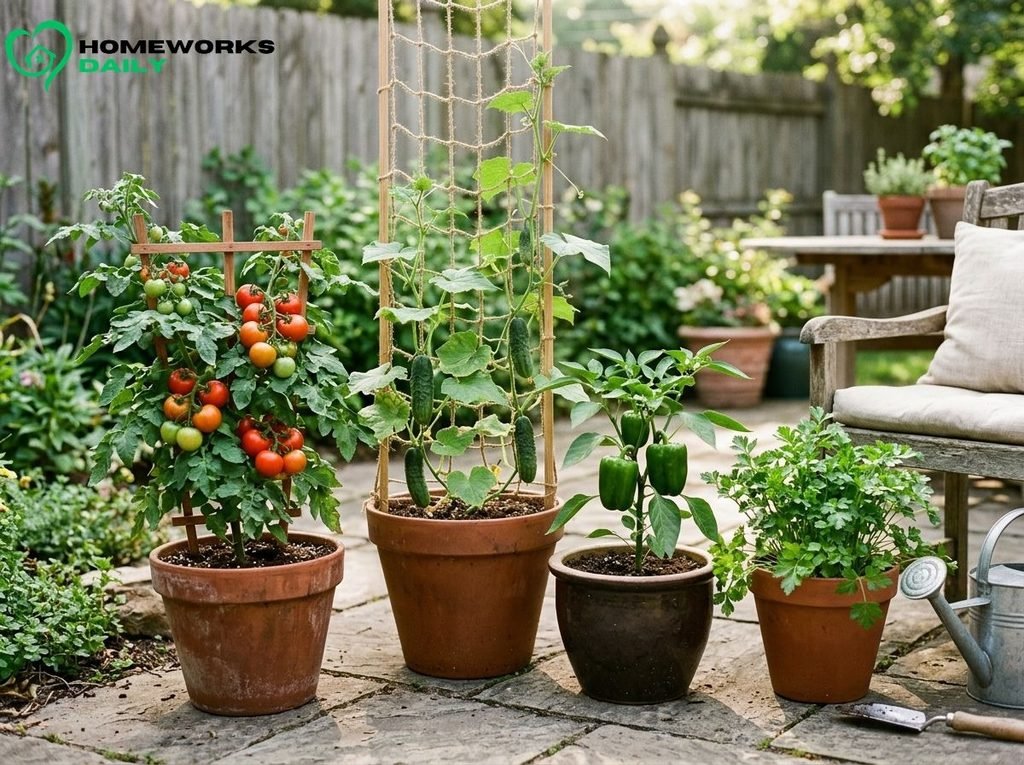
A kitchen garden doesn’t need to supply an entire meal to be useful. Sometimes, growing the ingredients for a salad you already love is the most satisfying place to begin.
Coban Salatasi is particularly convenient for home gardeners because many of its main ingredients are common vegetables grown in American backyards.
Tomatoes: Plan for Flavor and Harvest Timing
Tomatoes thrive in warm growing conditions, and many varieties need plenty of direct sunlight.
If you’re just getting started, consider a compact tomato variety for a container or a reliable slicing variety for a garden bed.
For this salad, harvest tomatoes when they’ve developed their mature color and are ripe but still hold their shape.
You don’t need unusually large fruit. Three medium tomatoes are enough for four side servings.
For help choosing a growing space, preparing soil, and selecting beginner-friendly vegetables, see HomeWorks Daily’s guide to starting your own vegetable garden.
Cucumbers: Pick Before They Become Oversized
Cucumbers are an excellent choice for gardeners who enjoy fresh summer meals.
Depending on the variety, they may grow as climbing vines or more compact bush-type plants.
Harvest cucumbers at the recommended size for their variety, ideally while the flesh remains firm and the seed cavity is relatively small.
Allowing a cucumber to grow far beyond its usual harvest size often results in larger seeds and a less desirable texture.
For kitchen use, one good cucumber is plenty. You don’t need a huge crop to make the recipe worthwhile.
Mild Green Peppers: Choose Crispness Over Heat
Traditional Turkish shepherd’s salad often features mild green peppers, including types that differ from the bell peppers commonly sold in American supermarkets.
A green bell pepper is a convenient substitute.
If you’re growing peppers specifically for salad, look for a sweet or mild variety with a crisp texture. Choose healthy peppers with firm flesh, and harvest them at the appropriate stage for that variety.
You want freshness and a gentle pepper flavor, not enough heat to overwhelm the tomatoes.
Parsley: A Small Plant With Plenty of Uses
Flat-leaf parsley is especially practical in a kitchen garden because you can harvest small amounts as needed.
Snip healthy outer stems rather than repeatedly removing all the growth from the center of the plant.
For the best flavor and texture, choose fresh-looking leaves and avoid heavily yellowed or damaged portions.
Parsley can be grown in containers, making it a useful option even when outdoor space is limited.
What If You Only Have a Patio or Raised Bed?
A traditional backyard plot isn’t necessary.
A container garden can provide tomatoes, peppers, herbs, and certain compact cucumber varieties. Choose adequately sized containers with drainage, provide appropriate support, and check soil moisture regularly.
According to the University of Maryland Extension’s container vegetable gardening guidance, warm-season crops such as tomatoes and peppers generally benefit from six to eight hours of direct sunlight. The guidance also recommends considering compact varieties for small-space growing.
If you have room for a larger planting area, building a raised garden bed can create a manageable growing space near the kitchen.
Just remember that vegetable planting dates depend on your local weather and frost conditions, not simply the calendar.
HomeWorks Daily’s guide to gardening by zone and local growing conditions is a helpful starting point for understanding those differences.
Easy Coban Salatasi Variations
The classic combination of chopped vegetables, herbs, lemon, and olive oil doesn’t need much improvement.
Still, home cooking should be flexible, especially when your garden isn’t producing everything at the same time.
Here are a few practical options.
Use Scallions Instead of Red Onion
Replace the 1/4 cup of red onion with two or three finely sliced scallions.
Scallions are used in Turkish versions of shepherd’s salad, so this is a culturally grounded alternative rather than an unrelated addition.
They also provide a milder onion flavor.
Add Fresh Mint
Include 1 tablespoon of chopped fresh mint alongside the parsley.
Mint has a place in Turkish shepherd’s salad recipes and provides a slightly different herbal character.
Start small so it complements rather than dominates the vegetables.
Make a Colorful Garden-Harvest Version
Replace part of the green pepper with a sweet red or yellow bell pepper.
You can also use a mixture of cherry tomatoes and larger slicing tomatoes.
These are convenient home-garden adaptations rather than required traditional ingredients.
Turn the Salad Into a More Substantial Lunch
Add cooked, cooled chickpeas or a little crumbled feta if you want something more filling.
These additions change the traditional simplicity of the recipe, so think of them as optional meal adaptations, not essential ingredients of Turkish shepherd’s salad.
Scale It Down When the Garden Harvest Is Small
Only have one ripe tomato and a small cucumber today?
Chop them with a little parsley and onion, then start with 1 teaspoon each of olive oil and lemon juice plus a small pinch of salt.
Taste and adjust.
You can make a smaller, simplified version rather than waiting for every plant to produce at once.
What to Serve With Coban Salatasi
Coban Salatasi is a versatile side dish because its crisp vegetables and bright dressing provide contrast to richer, warmer foods.
A few particularly good pairings include:
- Grilled chicken or kebabs: The lemon dressing balances smoky, savory flavors.
- Grilled fish: Fresh tomatoes and cucumber make a refreshing accompaniment.
- Rice pilaf: The juicy salad contrasts with the soft texture of seasoned rice.
- Warm pita or flatbread: Bread is perfect for soaking up the lemony tomato juices.
- Hummus and roasted vegetables: An easy combination for a meat-free lunch or dinner.
- Burgers or backyard cookout dishes: The salad offers a lighter alternative to creamy side dishes.
For a busy family dinner, grilled chicken, warm bread, and a bowl of shepherd’s salad make a practical meal without requiring several complicated side dishes.
Can You Prepare Coban Salatasi Ahead of Time?
Yes, but preparing the ingredients ahead is better than fully dressing the salad hours in advance.
For the freshest texture, wash and dry the vegetables earlier in the day. Chop the cucumber, pepper, and onion, then refrigerate them in clean, covered containers.
Keep the tomatoes whole until closer to serving time when practical.
You can also wash and thoroughly dry the parsley, then refrigerate it separately. Chop it nearer to serving for the freshest appearance.
Mix the lemon juice and olive oil in a small covered container.
When it’s time to eat, dice the tomatoes, combine everything, add the dressing and salt, and toss.
How Long Does the Finished Salad Keep?
The salad is at its best soon after preparation.
If you have leftovers, promptly refrigerate them in a covered container at 40°F (4°C) or below.
For the best eating quality, plan to enjoy refrigerated leftovers within about 24 hours. That’s a texture recommendation, not a universal food-safety expiration time.
The tomatoes will continue to release moisture, while the cucumbers and peppers may gradually lose some of their crunch.
Don’t leave the finished salad sitting unrefrigerated for an extended period, particularly at a hot outdoor gathering.
If you’re preparing it for a picnic, keep the ingredients properly chilled until serving.
Where Can You Find Coban Salatasi Near Me?
If you’ve searched for “Coban Salatasi near me”, Turkish restaurants are a good place to start.
Check their menus for Coban Salatasi, Çoban Salatası, Coban salad, or Turkish shepherd’s salad. A restaurant may use either its Turkish or English name.
You might also find similar chopped vegetable salads at Mediterranean restaurants, although the recipes and names can differ.
Before visiting, check the current menu or contact the restaurant to confirm that the specific dish is available.
Turkish specialty markets may offer prepared salads or ingredients commonly used in Turkish cooking, depending on the store.
Another practical option is your local farmers market. Fresh seasonal tomatoes, cucumbers, peppers, and herbs are exactly what you need to make the salad at home.
And if nearby restaurants don’t serve it, that’s no reason to miss out.
The homemade version requires just a few everyday ingredients and about 20 minutes of preparation.
Frequently Asked Questions
What Is Coban Salatasi Made Of?
Coban Salatasi is made primarily from chopped tomatoes, cucumbers, mild green peppers, onions, and parsley. It’s typically dressed with olive oil, lemon juice, and salt. Some Turkish recipes also include scallions or fresh mint.
Is Coban Salatasi the Same as Turkish Shepherd’s Salad?
Yes. Coban Salatasi is the commonly used unaccented spelling of the Turkish name for shepherd’s salad. Both names refer to the Turkish chopped vegetable salad traditionally served as a refreshing accompaniment to meals.
Can I Make Coban Salatasi Without Onions?
Absolutely. Leave the onion out if you dislike its flavor or need to avoid it. The tomatoes, cucumbers, peppers, and herbs will still make a pleasant salad. You can also use a smaller amount of scallion for a gentler onion flavor.
How Do I Stop Coban Salatasi From Getting Watery?
Start with ripe but firm tomatoes, remove unusually watery cucumber seed centers, and dry the vegetables after washing. Cut the ingredients evenly, and add the lemon dressing and salt shortly before serving. A little tomato juice is normal and desirable.
Can I Prepare Coban Salatasi in Advance?
Yes. Wash, dry, and prepare most ingredients ahead, keeping them refrigerated in covered containers. For the best texture, cut the tomatoes and combine the dressing with the vegetables shortly before eating. Fully assembled salad is best enjoyed fresh.
What Vegetables Can I Grow at Home for This Salad?
Tomatoes, cucumbers, mild green peppers, and parsley are excellent choices. Scallions and mint are useful additions. Depending on your space and growing conditions, you can grow these ingredients in a backyard plot, raised garden bed, or appropriately sized containers.
Final Thoughts: Bring Your Garden to the Table
Coban Salatasi is a lovely reminder that a satisfying dish doesn’t need a long ingredient list or hours in the kitchen.
A few ripe tomatoes, a crunchy cucumber, fresh parsley, and a little lemon and olive oil are enough to make something colorful and refreshing.
If your garden is producing summer vegetables, try making this salad with whatever is ready today. If you’re still planning your first garden, growing even one or two of these ingredients can be a rewarding place to begin.
For more practical ideas on growing food at home, explore the gardening resources at HomeWorks Daily.
Sometimes, the best reason to grow vegetables is simply having something delicious to make with them.