
Imagine stepping outside on a summer morning, picking fresh cherry tomatoes, and adding them to your breakfast. You don’t need a huge backyard, expensive equipment, or years of gardening experience to enjoy homegrown vegetables. You just need a little planning, the right plants, and a willingness to learn.
If you’ve been wondering how to start a vegetable garden, the good news is that the process can be much simpler than you think. You can begin with a small backyard plot, a raised bed, or even a few containers on a sunny patio.
The easiest way to start a vegetable garden is to choose a suitable location, prepare healthy soil, select vegetables that grow well in your climate, and follow a consistent watering and maintenance routine. Starting small helps you learn what works without spending too much money or taking on more work than you can manage.
In this beginner-friendly guide, you’ll learn how to plan your first garden, choose suitable vegetables, prepare the soil, avoid common mistakes, and enjoy a successful harvest.
What Do You Need to Start a Vegetable Garden?
You need a suitable growing space, adequate sunlight, healthy soil or potting mix, vegetable seeds or starter plants, water, and a few basic gardening tools.
You don’t have to purchase everything at once. Begin with the essentials and add supplies as your garden grows.
Here’s a simple starter checklist:
- Vegetable seeds or young plants
- A sunny growing location
- Suitable garden soil or potting mix
- A hand trowel or small shovel
- A watering can or garden hose
- Compost or other soil amendments, if needed
- Plant labels and a notebook
- Mulch, when appropriate for your crops
Before shopping, decide which vegetables you actually enjoy eating. Growing vegetables your household likes is more practical than filling your garden with plants simply because they look attractive.
Step 1: Choose the Right Location for Your Vegetable Garden
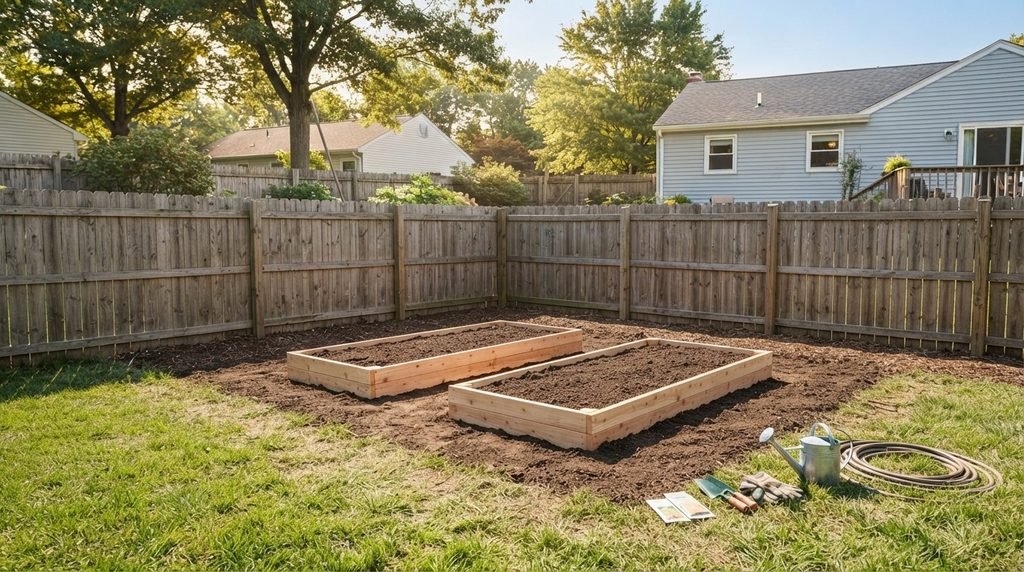
The location of your garden can significantly affect plant growth. Most fruiting vegetables, such as tomatoes and peppers, grow best with around six to eight hours of direct sunlight daily. Leafy vegetables, including lettuce and spinach, can often tolerate some shade.
Before choosing a spot, observe how sunlight moves across your yard or patio throughout the day.
Look for Adequate Sunlight
Sunlight helps plants produce the energy they need for healthy growth. If you’re planning to grow tomatoes, peppers, cucumbers, or similar crops, look for a location with plenty of direct sunlight.
Leafy greens may be more suitable for areas that receive less sun, depending on the variety and local conditions.
Check Water Access and Drainage
Choose a location where you can easily water your plants. A garden near an outdoor faucet or water source is often easier to maintain.
Drainage matters, too. Avoid areas where water regularly collects after rain, because many vegetable roots struggle in persistently waterlogged soil.
Make Gardening Convenient
A garden that is easy to reach is more likely to receive regular attention. Leave enough room to walk between planting areas, water comfortably, remove weeds, and harvest vegetables without damaging nearby plants.
If large trees surround your yard, remember that their roots may compete with vegetables for moisture and nutrients.
Step 2: Decide Which Type of Vegetable Garden Suits Your Space
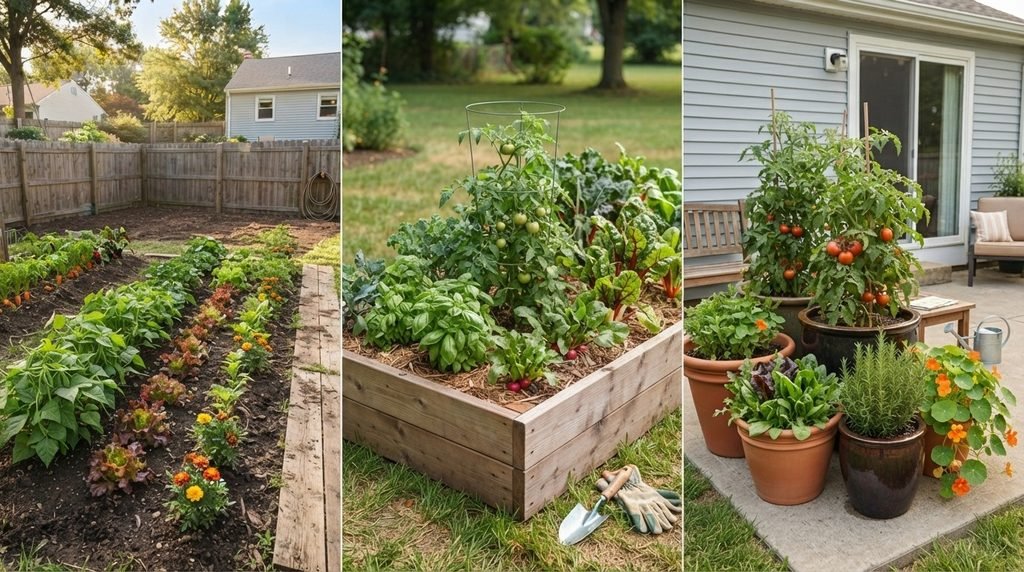
You don’t need a traditional backyard garden to grow vegetables. In-ground gardens, raised beds, and containers can all work well when matched to your available space and growing conditions.
In-Ground Vegetable Gardens
An in-ground garden is a practical option if you have enough yard space and suitable soil.
Advantages:
- Can be economical when the existing soil is suitable.
- Provides room for a variety of vegetables.
- Can accommodate larger crops that need more space.
Potential drawbacks:
- Existing soil may need improvement.
- Weeds can become a problem.
- Poor drainage or compacted soil may require attention.
Raised Garden Beds
Raised beds create a defined planting area above the surrounding ground. They can be particularly useful when the existing soil is unsuitable or when you want greater control over the growing medium.
Advantages:
- Allows you to choose suitable growing materials.
- Creates a clear, organized planting space.
- Can make garden maintenance more convenient.
Potential drawbacks:
- Frames and filling materials can increase initial costs.
- Raised beds may dry out faster than surrounding ground.
- Placement and drainage still require planning.
Container Vegetable Gardens
Container gardening is a useful option for people with balconies, patios, or limited outdoor space.
Choose containers with drainage holes and enough room for the mature plant’s roots. Tomatoes, peppers, lettuce, and many herbs can grow in suitable containers.
Advantages:
- Works well in small spaces.
- Makes it easier to control the growing medium.
- Allows containers to be arranged around available sunlight.
Potential drawbacks:
- Containers may require more frequent watering.
- Larger plants need appropriately sized pots.
- Potting mix and containers add to the initial cost.
Which Gardening Method Is Best for Beginners?
| Feature | In-Ground Garden | Raised Bed | Container Garden |
| Space required | Yard or garden plot | Yard or suitable patio | Balcony, patio, or yard |
| Initial cost | Often lower if soil is suitable | Moderate to high | Low to moderate |
| Soil control | Depends on existing soil | Greater control | High control over growing medium |
| Watering needs | Depend on soil and weather | May dry relatively quickly | Often needs frequent checks |
| Best suited for | Gardeners with usable ground | Gardeners wanting a defined bed | Gardeners with limited space |
The best method depends on your circumstances. If your existing soil is suitable, you may not need to build raised beds. If you have only a patio, a few well-chosen containers may be enough to get started.
Step 3: Prepare Healthy Soil Before Planting

Healthy soil helps vegetables access water, air, and nutrients. Before planting, check the condition of your soil rather than immediately purchasing fertilizers or other products.
How to Prepare Garden Soil
1. Remove weeds and debris.
Clear the planting area and remove unwanted vegetation. Avoid disturbing the soil more than necessary.
2. Check drainage.
Notice whether water drains away after rainfall or remains pooled on the surface.
3. Test your soil.
A soil test can help identify pH and nutrient issues. The results can guide decisions about whether you need to add lime, fertilizer, or other amendments.
4. Add suitable organic matter when needed.
Mature compost can improve soil structure and contribute organic matter. The amount and type of amendment should depend on your existing soil and the needs of your crops.
5. Avoid working excessively wet soil.
Soil that is very wet can become compacted when dug or handled. Wait until conditions are suitable before preparing the planting area.
Can You Use Regular Garden Soil in Containers?
It’s generally better to use a suitable commercial potting mix for containers instead of filling pots with heavy garden soil.
Garden soil can become compacted in a container, reducing drainage and airflow around roots. Choose a potting mix designed for container growing, and make sure excess water can escape through drainage holes.
For in-ground gardens, improve the existing soil according to its actual condition rather than assuming that every garden needs the same treatment.
Step 4: Choose Easy Vegetables for Your First Garden
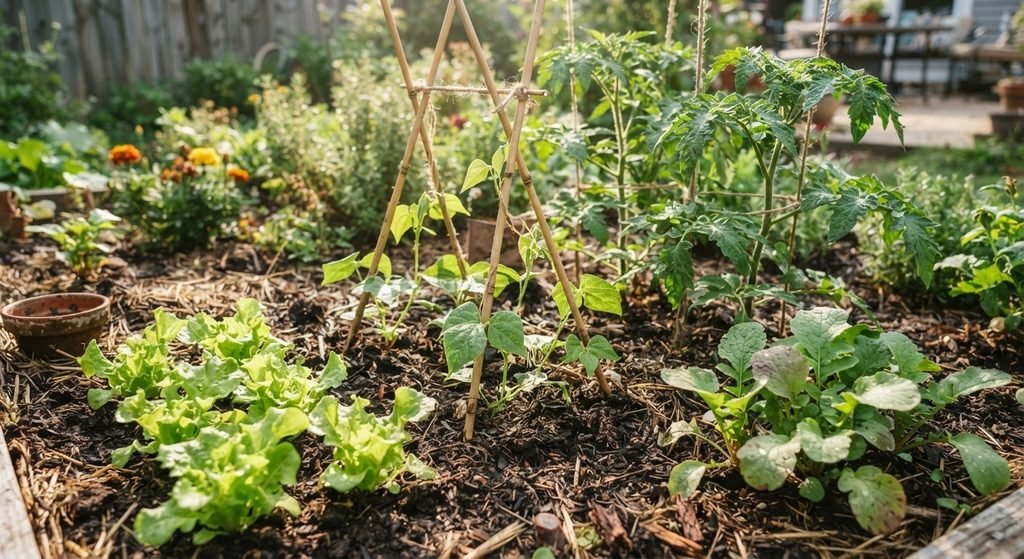
One of the most enjoyable parts of starting a vegetable garden is choosing what to grow. For your first season, select a few vegetables that suit your local climate, available space, and eating habits.
Here are some beginner-friendly options to consider.
| Vegetable | Why It May Suit Beginners | Important Consideration |
| Radishes | Often mature relatively quickly | Need suitable temperatures and consistent moisture |
| Leaf lettuce | Useful for salads and smaller gardens | May struggle in excessive heat |
| Green beans | Many varieties are straightforward to grow | Climbing varieties need support |
| Cherry tomatoes | Useful for fresh eating and container gardens | Need sunlight and suitable root space |
| Zucchini | Can produce generously in favorable conditions | Requires plenty of room |
| Peppers | Suitable for many gardens and containers | Need warm conditions |
| Spinach | Useful for salads and cooking | Generally prefers cooler growing conditions |
These recommendations are general. Results depend on the variety, weather, soil, pests, and planting schedule.
Should You Grow Vegetables From Seeds or Starter Plants?
Both options can work well, but some vegetables are easier to start using one method than the other.
Seeds are a good option when:
- You want a wider selection of varieties.
- The crop is commonly sown directly into the garden.
- You’re comfortable following planting instructions and monitoring germination.
Radishes, carrots, and many beans are commonly grown from seeds sown directly in the growing area.
Starter plants are useful when:
- You want to avoid starting seedlings indoors.
- You have a limited growing season.
- Suitable young plants are available locally.
Tomatoes and peppers are commonly available as starter plants, although they can also be grown from seeds.
Always check the seed packet or plant label for recommended planting depth, spacing, temperature, and maturity information.
Step 5: Choose the Right Planting Time for Your Region
There isn’t one planting calendar that works for the entire United States. Weather conditions in Florida can differ considerably from those in Minnesota, and vegetables have different temperature requirements.
Your planting schedule should account for local frost dates, soil temperature, seasonal heat, and the length of your growing season.
Understand Cool-Season and Warm-Season Vegetables
Cool-season vegetables include lettuce, spinach, peas, and radishes. Many grow well during cooler periods, although their exact temperature requirements vary.
Warm-season vegetables include tomatoes, peppers, cucumbers, and many types of beans. These generally need warmer conditions and can be damaged by frost.
How to Find the Best Time to Plant
Follow these steps:
- Find the typical spring and fall frost dates for your area.
- Check the recommended planting time for each vegetable.
- Consider soil temperature, not just the air temperature.
- Check how long the crop takes to mature.
- Adjust your plan for local heat, rainfall, and seasonal conditions.
The USDA Plant Hardiness Zone Map is useful for understanding winter temperature conditions associated with perennial plant survival. However, it does not provide a complete vegetable planting calendar.
Step 6: Plant Your Vegetables Correctly
After choosing your garden location, preparing the growing medium, and selecting vegetables, you’re ready to plant.
The key is to follow the requirements of each crop rather than treating all seeds and seedlings the same way.
Follow These Simple Planting Steps
1. Read the seed packet or plant label.
Check the recommended planting depth, spacing, and temperature conditions.
2. Prepare the planting area.
Remove weeds and create a suitable seedbed. For containers, fill the pot with appropriate potting mix.
3. Sow seeds at the recommended depth.
Seeds planted too deeply may struggle to emerge, while seeds placed too shallowly may dry out.
4. Leave enough space between plants.
Use the recommended spacing to allow room for roots, airflow, and mature growth.
5. Water gently.
Moisten the growing medium without washing seeds away or creating standing water.
6. Label your plants.
Record the vegetable variety and planting date. Labels are particularly helpful when you’re growing several crops.
7. Monitor germination.
Keep the soil appropriately moist while seeds establish, following the requirements of the crop.
How Much Space Do Vegetables Need?
Spacing depends on the type and variety of vegetable. Compact lettuce plants need much less room than sprawling zucchini plants.
Follow the recommended spacing on the seed packet or plant label. In containers, account for both the plant’s mature size and its root requirements.
Avoid overcrowding your garden simply to fit in more vegetables. Overcrowding can increase competition and make watering, harvesting, and plant inspection more difficult.
Step 7: Water Your Vegetable Garden Properly

Water is essential for vegetable growth, but both underwatering and overwatering can create problems.
The amount of water your garden needs depends on the crop, soil type, plant maturity, temperature, rainfall, and container size.
Practical Watering Tips
- Check the soil first. Feel the soil near the root zone to see whether it needs water.
- Water near the roots. Directing water toward the soil helps supply moisture where plants need it.
- Use a gentle flow for seedlings. Strong water pressure can displace seeds or damage young plants.
- Check containers regularly. Pots can dry out faster than in-ground gardens, especially during warm or windy weather.
- Adjust for rainfall. Reduce additional watering when the garden has received sufficient rain.
- Avoid constantly saturated soil. Persistent waterlogging can damage roots.
How Often Should You Water?
There is no single watering schedule suitable for every vegetable garden. Check soil moisture regularly, particularly during germination, after transplanting, and during hot or dry weather.
Some crops need more consistent moisture during flowering and fruit production. Containers also require closer attention because their growing medium may dry out quickly.
The goal is to maintain suitable moisture without leaving the roots waterlogged.
Step 8: Maintain Your Garden as Plants Grow
A vegetable garden doesn’t require constant attention, but regular observation can help you identify problems before they become more difficult to manage.
Follow a Simple Maintenance Routine
Check soil moisture. Look at the soil before watering instead of relying only on a fixed schedule.
Remove weeds. Control weeds while they’re small to reduce competition for water, light, and nutrients.
Inspect plants. Look for unusual discoloration, damaged leaves, insects, or signs of disease.
Use suitable mulch. Organic mulch can help conserve soil moisture and suppress weeds. Keep mulch appropriate for the crop and avoid piling it against plant stems.
Support plants when necessary. Tall or climbing plants may need stakes, cages, or trellises.
Keep a garden notebook. Record planting dates, weather conditions, plant problems, and harvests. These notes can help you improve your approach next season.
How to Recognize Common Vegetable Garden Problems
| Symptom | Possible Cause | What to Check |
| Wilting leaves | Dry soil, waterlogged roots, heat stress, or root damage | Soil moisture, drainage, and weather |
| Yellowing leaves | Nutrient issues, water problems, or other stress | Growing conditions and soil-test results |
| Slow growth | Insufficient light, unsuitable temperatures, or root restrictions | Sunlight, planting conditions, and root space |
| Holes in leaves | Insect feeding or other damage | Leaf undersides and nearby stems |
| Cracked or misshapen produce | Irregular moisture, temperature stress, or crop-specific factors | Watering consistency and growing conditions |
These symptoms are clues rather than definitive diagnoses. For example, yellow leaves don’t automatically mean a plant needs fertilizer. Check the overall growing conditions before deciding how to respond.
Step 9: Harvest Vegetables at the Right Time
Harvesting at the appropriate stage helps you enjoy vegetables when their flavor and texture are suitable for eating. The ideal stage varies by crop and variety.
Here are a few general guidelines:
- Radishes: Harvest when the roots reach a suitable size for the variety.
- Leaf lettuce: Pick individual outer leaves or harvest the whole plant, depending on the variety.
- Green beans: Harvest pods at the recommended stage, before the seeds become overly developed for the intended use.
- Cherry tomatoes: Pick fruits when they reach their mature color and are appropriately ripe.
- Zucchini: Check plants frequently and harvest fruits at the size you prefer for eating.
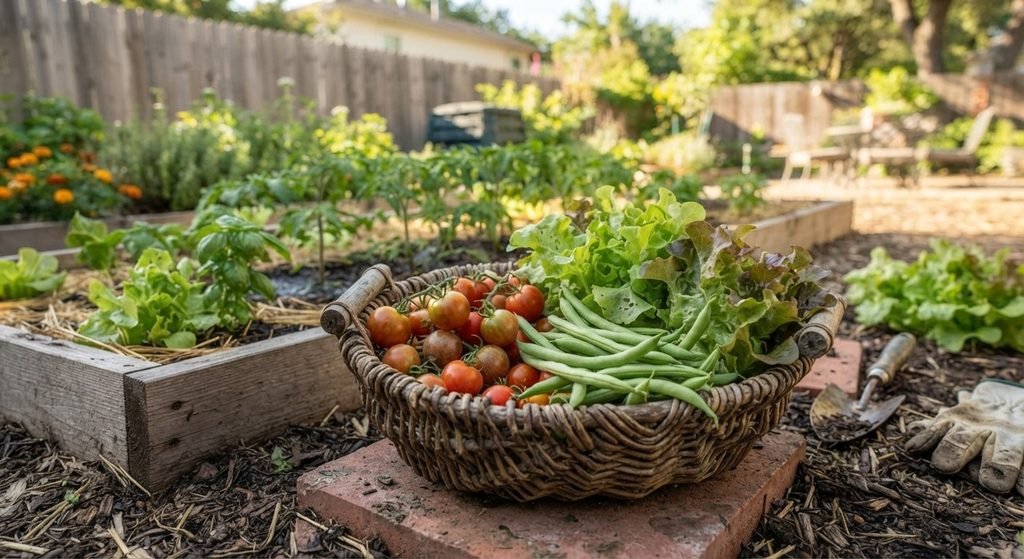
Use clean tools when necessary and handle plants carefully to avoid damaging stems or nearby produce.
If you’re unsure when a crop is ready, consult the seed packet or a reliable growing guide specific to that vegetable.
Your first garden doesn’t have to supply every vegetable your household eats. Even a few bowls of lettuce, fresh herbs, or homegrown tomatoes can make the effort worthwhile.
Step 10: Avoid Common Beginner Gardening Mistakes
Many first-season problems can be prevented with a little planning. Before spending money on additional products, check the growing conditions and identify what might be causing the problem.
1. Starting With Too Many Vegetables
A large garden requires more watering, weeding, and monitoring. Start with a few crops you enjoy eating, then expand as you gain experience.
2. Ignoring Sunlight Requirements
A location may look bright without receiving enough direct sunlight for fruiting vegetables. Observe the area throughout the day before planting.
3. Skipping Soil Preparation
Poor drainage, compaction, or unsuitable soil conditions can limit growth. Check your soil before deciding which amendments to add.
4. Planting at the Wrong Time
Vegetables have different temperature requirements. Use local planting guidance rather than assuming the same dates work everywhere.
5. Watering on a Fixed Schedule
A rigid daily routine can lead to dry or waterlogged soil. Adjust watering based on moisture, weather, and crop requirements.
6. Overcrowding Plants
Vegetables need enough space for roots and mature growth. Follow the spacing recommendations for each crop.
7. Expecting Every Plant to Thrive
Weather, pests, diseases, and growing conditions can affect your harvest. Record what happens, learn from the results, and adjust your plan.
The most useful lesson is simple: identify the likely problem before spending money on a solution.
A Simple Vegetable Garden Plan for Beginners

If the process still feels overwhelming, use this straightforward plan to get started without buying unnecessary equipment.
Your First-Garden Checklist
- Choose a sunny location or suitable containers.
- Check local planting dates and crop requirements.
- Select three or four vegetables you enjoy eating.
- Assess the soil and obtain a soil test if appropriate.
- Buy only the seeds, plants, and tools you need.
- Plant according to seed packet or plant-label instructions.
- Check moisture, weeds, and plant health regularly.
- Record planting dates and harvest observations.
What Should You Plant First?
For a small beginner garden, consider growing leaf lettuce, radishes, green beans, and one cherry tomato plant.
This combination can introduce you to different growing habits without requiring a large garden. However, your final choices should depend on the season, local climate, sunlight, and available space.
If your growing season is too hot for lettuce or too short for tomatoes, choose alternatives suited to your local conditions.
Frequently Asked Questions
1. How Do I Start a Vegetable Garden for the First Time?
Choose a suitable location, select a few vegetables, prepare well-draining soil, and plant according to the seed packet or plant label. Water according to soil moisture and weather, and monitor your plants regularly. Starting small makes the routine easier to manage.
2. What Is the Easiest Vegetable to Grow for Beginners?
Radishes, leaf lettuce, and green beans are common options for beginners. However, ease of growing depends on your climate, the variety, the season, and the growing conditions. Choose crops that suit your region and available space.
3. How Much Space Do I Need for a Vegetable Garden?
You can grow vegetables in containers on a balcony or patio, or use a small section of your yard. The space required depends on the crops, their mature size, and how many plants you want to grow. A small garden is a practical place to begin.
4. Can I Grow Vegetables Without a Backyard?
Yes. Many vegetables can grow in containers if the pots provide suitable root space, drainage, sunlight, and growing medium. Before setting up a balcony garden, check any applicable building rules, weight limits, and access to water.
5. What Soil Is Best for Growing Vegetables?
Vegetables generally benefit from soil that drains well, supports root development, and has suitable nutrient levels and organic matter. Ideal soil conditions vary by crop. A soil test can help you determine which amendments are needed.
6. How Often Should I Water My Vegetable Garden?
Watering frequency depends on weather, soil type, plant size, crop requirements, and whether you’re growing in the ground or in containers. Check soil moisture regularly and adjust watering rather than following one rigid schedule.
7. What Month Should I Start a Vegetable Garden in the US?
There is no single best month for every US location. Planting schedules depend on local frost dates, soil temperatures, seasonal heat, and the vegetables you’re growing. Consult a local Cooperative Extension planting calendar for your area.
8. Is a Raised Garden Bed Better Than Planting Directly in the Ground?
Neither method is always better. Raised beds provide greater control over the growing medium, while in-ground gardens can be economical when the soil is suitable. Compare drainage, space, setup costs, and maintenance before choosing.
9. Do I Need Fertilizer to Start a Vegetable Garden?
Not necessarily. Fertilizer requirements depend on your soil, the crops you’re growing, and previous soil management. A soil test can help identify nutrient deficiencies and guide appropriate amendments.
10. How Long Does It Take to Grow Vegetables?
It depends on the crop and variety. Some radishes mature in a matter of weeks under suitable conditions, while tomatoes and other warm-season crops typically take longer. Check the seed packet or variety-specific growing guide for estimated maturity times.
Final Thoughts: Start Small and Grow With Confidence
Learning how to start a vegetable garden doesn’t require a perfect backyard or an expensive collection of tools. It begins with a few sensible decisions: choosing the right spot, understanding your soil, selecting suitable vegetables, and following a planting schedule that matches your local conditions.
Don’t feel pressured to create a large, picture-perfect garden in your first season. A few healthy plants can teach you a great deal about sunlight, watering, soil, and the process of growing food.
Start with vegetables you enjoy eating, observe how they respond to your garden, and build on what you learn.
Ready to improve your outdoor space? Explore more gardening and home improvement guides on HomeWorksDaily to discover practical ideas for your home and garden.








One Response