A small patch of mold on a bathroom wall can look like a simple cleaning job. You wipe it away, the surface looks better, and you move on.
Then, a few weeks later, it comes back.
That’s the part many homeowners miss: mold is often a moisture problem first and a cleaning problem second. If the source of moisture remains, removing the visible growth may only be a temporary fix. The U.S. Environmental Protection Agency (EPA) similarly emphasizes that controlling moisture is central to controlling indoor mold.
So, what does proper mold remediation actually involve? When can a homeowner handle a small problem, and when is it smarter to bring in a professional?
This guide breaks it down in practical, straightforward terms.
Quick Answer: What Is Mold Remediation?
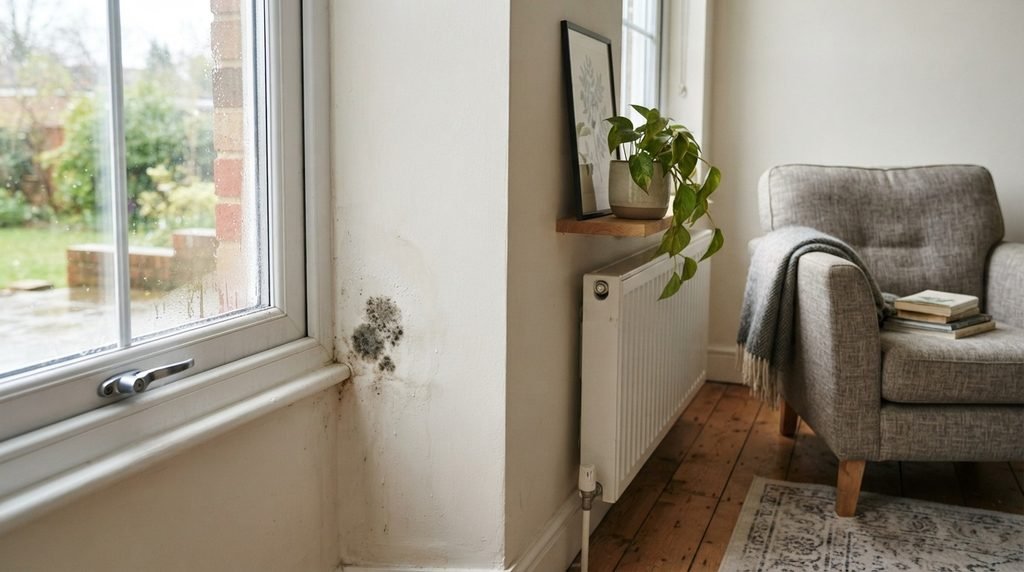
Mold remediation is the process of addressing mold growth, removing contaminated material where necessary, and correcting the moisture problem that allowed the mold to grow.
In other words, effective remediation isn’t simply about making a black or green patch disappear. The bigger goal is to deal with the conditions that support mold.
The basic relationship is straightforward:
Moisture → mold growth → inspection → cleanup/removal → moisture control → prevention
The U.S. Environmental Protection Agency (EPA) emphasizes that moisture control is central to controlling indoor mold. If the water or moisture problem isn’t fixed, mold is likely to return.
What Causes Mold to Grow?
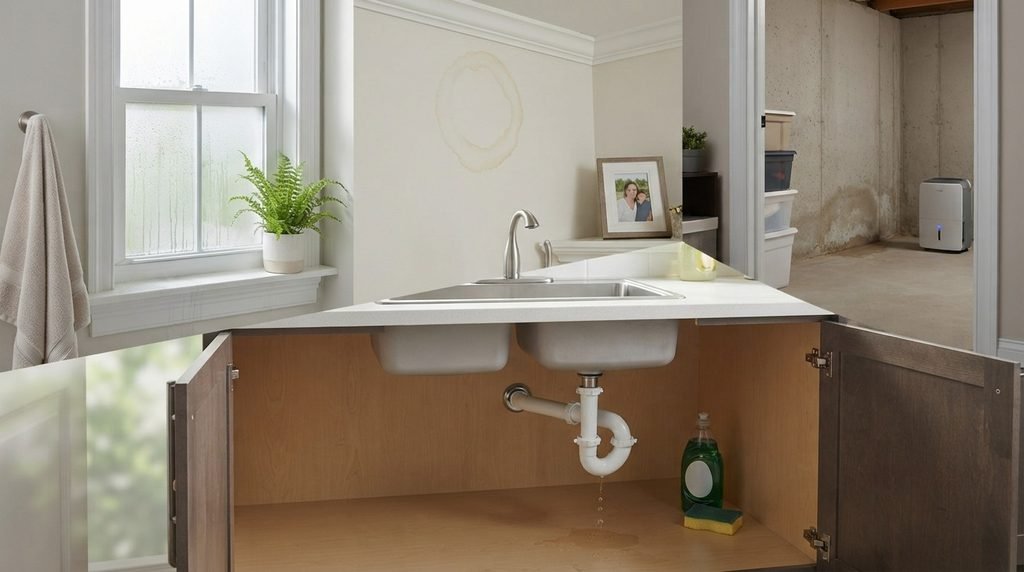
Mold grows when spores encounter suitable moisture and conditions that allow them to grow.
Mold spores are common in the environment, including indoor spaces. The concern begins when moisture creates an environment where mold can grow on materials such as drywall, wood, carpet, ceiling tiles, or other surfaces.
Common moisture sources include:
- Leaking pipes or plumbing fixtures
- Roof leaks
- Water entering around windows
- Flooding or significant water damage
- Condensation on cold walls, pipes, or windows
- Poor bathroom ventilation
- Damp basements or crawl spaces
- Air-conditioning drainage problems
- High indoor humidity
- Wet carpets or other materials that aren’t dried quickly
Showers and cooking can also add moisture to indoor air. In cooler conditions, that moisture can condense on colder surfaces, creating another opportunity for mold growth.
Common Moisture Sources
A useful way to investigate recurring mold is to ask: Where is the water coming from?
For example, mold around a bathroom ceiling might point toward excessive humidity or inadequate ventilation. Mold near a window could be related to condensation or a water leak. A recurring patch beside a pipe could indicate a plumbing problem.
The visible mold is sometimes only the part of the problem you can see.
Why Mold Keeps Coming Back
Mold commonly returns when the underlying moisture problem hasn’t been corrected.
This is one of the easiest mistakes to make. A homeowner may scrub the surface until it looks clean but never investigate why the area became damp in the first place.
EPA guidance specifically recommends fixing water problems and drying affected materials as part of mold cleanup.
Think of it this way: cleaning removes the immediate growth, while moisture control removes one of the conditions that allowed it to happen.
Signs You May Need Mold Remediation
Not every small spot requires a major remediation project. However, certain signs deserve more attention.
Look for:
- Mold that repeatedly returns after cleaning
- A persistent musty odor
- Visible growth covering a larger area
- Water-damaged drywall, carpet, ceiling materials, or wood
- Mold following a flood or major leak
- Moisture that you cannot identify or control
- Mold in areas that are difficult to access
- Suspected contamination involving an HVAC system
- Mold associated with sewage or contaminated water
- Hidden moisture behind walls, ceilings, or other building materials
The size and circumstances of the affected area matter. EPA says that mold growth covering less than about 10 square feet can often be handled by homeowners using appropriate cleanup guidance, while larger areas or significant water damage may call for professional assessment.
That doesn’t mean 10 square feet is a universal “safe versus unsafe” boundary. The source of the moisture, materials involved, location, and individual circumstances also matter.
Mold Remediation vs. Basic Mold Cleaning
Basic mold cleaning focuses on removing visible growth from suitable surfaces; mold remediation is a broader process that also addresses the moisture source, affected materials, and conditions that could allow the problem to return.
| Situation | Possible Approach | When Professional Help May Be Appropriate |
| Small amount of visible mold on a hard surface | Careful cleaning may be reasonable | If it repeatedly returns |
| Recurring mold | Investigate and correct the moisture source | If the source is hidden or difficult to fix |
| Extensive visible growth | Don’t treat it as an ordinary cleaning task | Professional assessment may be appropriate |
| Major water damage | Dry and assess affected materials promptly | Especially when damage is extensive |
| Mold involving porous materials | Some materials may need removal or replacement | When contamination is extensive |
| Sewage or contaminated water | Avoid treating it as a routine household cleanup | Professional cleanup is recommended |
| Suspected contaminated HVAC system | Avoid spreading contamination through the system | Professional evaluation may be appropriate |
Porous materials can be particularly difficult because mold can grow into spaces that aren’t easily reached by surface cleaning. EPA notes that materials such as moldy ceiling tiles and carpet may need to be discarded when they cannot be adequately cleaned.
Can You Handle Mold Yourself?
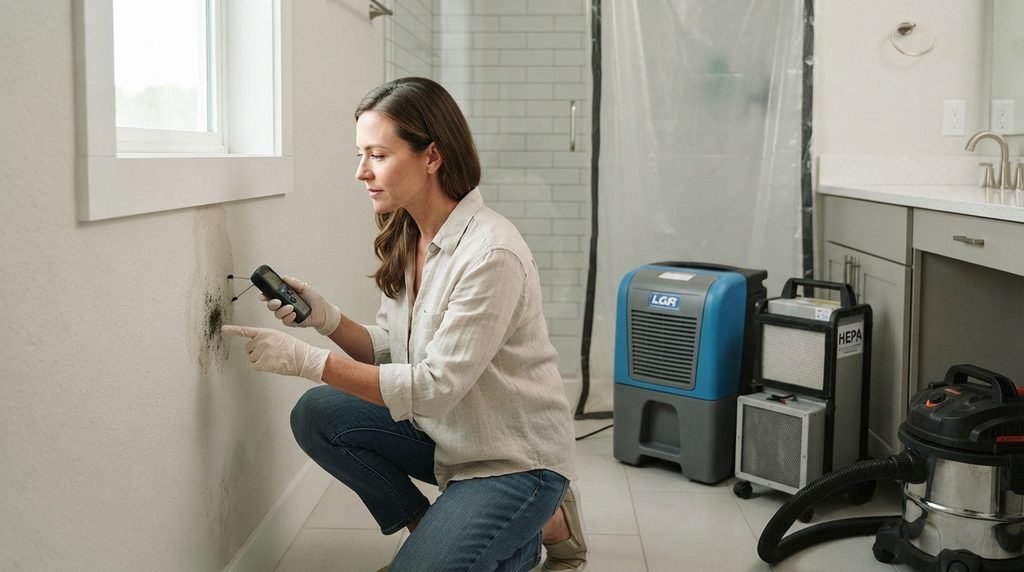
Small, limited areas of mold on appropriate hard surfaces may be manageable as a DIY cleanup, but larger, recurring, hidden, or water-damage-related problems can require professional help.
Before reaching for a cleaning product, consider three questions:
- How large is the affected area?
- Why is the area getting wet or damp?
- Can I safely access and clean the affected material?
If you cannot answer the second question, that’s a warning sign. Cleaning the visible patch without finding the moisture source may only provide a temporary improvement.
When DIY May Be Reasonable
A small patch on a hard, washable surface may be something a homeowner can address with appropriate precautions.
EPA recommends cleaning mold from hard surfaces with detergent and water and drying the surface completely. It also recommends fixing leaks and other water problems promptly.
When cleaning a small area:
- Keep other people away from the affected area when practical.
- Wear appropriate protective equipment.
- Avoid touching mold with bare hands.
- Protect your eyes from splashes and particles.
- Ventilate appropriately when using cleaning products.
- Clean suitable hard surfaces according to reliable guidance.
- Dry the area completely.
- Most importantly, address the moisture source.
Don’t assume that using a stronger chemical automatically makes cleanup better. EPA does not recommend routine use of biocides such as chlorine bleach simply to kill mold. The physical removal of mold and correction of moisture are important parts of cleanup.
Never mix bleach with ammonia or other cleaning products. CDC specifically warns that doing so can create dangerous fumes.
When Professional Help May Be Better
Professional help becomes more reasonable when the situation is difficult to assess, difficult to contain, or involves substantial water damage.
Consider getting a qualified professional involved when:
- Mold covers a large area.
- There has been extensive water damage.
- Mold is inside walls, ceilings, or other hidden spaces.
- The moisture source cannot be identified.
- Sewage or contaminated water is involved.
- You suspect an HVAC system may be contaminated.
- Porous materials are extensively affected.
- The building has complicated moisture problems.
- You aren’t confident that you can perform the cleanup safely.
EPA recommends consulting professionals for larger mold problems, major water damage, contaminated water situations, and certain HVAC-related concerns.
If you’re considering hiring someone, don’t be afraid to ask questions. A reputable contractor should be able to explain what they believe is causing the problem, what materials are affected, what work they recommend, and how they plan to address moisture.
How Mold Remediation Works
A practical mold remediation process generally starts with finding the moisture source, assessing the affected area, controlling the spread of contamination, removing or cleaning affected materials as appropriate, drying the area, and preventing the problem from returning.
The exact process varies according to the building and the type and extent of damage.
1. Inspection
The first step is understanding what you’re dealing with.
An assessment may look for:
- Visible mold
- Musty odors
- Previous leaks
- Water stains
- Condensation
- Damp building materials
- Plumbing problems
- Roof or window leaks
- Areas where moisture may be hidden
The goal isn’t simply to locate the ugliest patch. It’s to understand the relationship between the mold and the moisture.
2. Containment
For larger or more complicated problems, professionals may use containment measures to limit the movement of mold-containing dust or particles into unaffected parts of a building.
The exact methods depend on the size and location of the problem.
This is one reason large remediation projects shouldn’t automatically be approached like an ordinary bathroom cleaning job.
3. Removal and Cleaning
Affected materials are then cleaned, removed, or otherwise treated according to their condition and type.
Hard surfaces may sometimes be cleaned. Porous materials can be more challenging because mold can penetrate their structure.
EPA recommends removing mold from hard surfaces with detergent and water and drying them thoroughly. It also notes that some porous materials may need to be discarded when they cannot be adequately cleaned.
4. Moisture Control
This is the step that homeowners should never overlook.
A successful cleanup doesn’t make much sense if the roof still leaks, the bathroom remains poorly ventilated, or a plumbing problem continues to soak the same wall.
The moisture source might involve:
- Repairing a leaking pipe
- Fixing a roof
- Improving bathroom ventilation
- Correcting an AC drainage issue
- Reducing indoor humidity
- Drying wet materials
- Improving drainage around the building
EPA recommends keeping indoor relative humidity below 60%, with an ideal range of 30–50% where possible. A basic humidity meter can help homeowners monitor indoor conditions.
5. Prevention
Once the immediate problem is addressed, prevention becomes part of the job.
That can mean checking for leaks regularly, keeping ventilation working, watching for condensation, and responding quickly when water enters the home.
A small leak caught early is usually easier to deal with than a long-running moisture problem discovered after visible mold has spread.
Common Mold Remediation Mistakes
Even well-intentioned homeowners can make the problem harder to solve.
Mistake 1: Cleaning the Mold but Ignoring Moisture
This is probably the biggest one.
If the surface becomes damp again, mold has an opportunity to return.
Mistake 2: Painting Over Mold
A fresh coat of paint can make a stained wall look better for a while, but it doesn’t solve the underlying contamination or moisture problem.
EPA advises cleaning mold and drying surfaces before painting; painting over moldy surfaces can also lead to peeling.
Mistake 3: Assuming Bleach Solves Everything
Mold cleanup isn’t simply a matter of killing mold.
EPA notes that dead mold can still cause allergic reactions in some people and emphasizes removing the mold rather than merely killing it.
Mistake 4: Ignoring Porous Materials
A hard countertop and a moldy piece of carpet aren’t necessarily the same cleanup situation.
Porous materials can be much harder to clean thoroughly because mold may grow into spaces within the material.
Mistake 5: Disturbing a Large Moldy Area Without a Plan
Large-scale removal can release contaminated material into the surrounding environment.
If you’re dealing with extensive growth, major water damage, or hidden contamination, getting professional advice before starting demolition may be the wiser choice.
How to Prevent Mold From Returning
The most practical way to prevent mold is to control moisture, respond quickly to leaks, improve ventilation where needed, and keep damp materials from staying wet.
Use this simple home-maintenance checklist:
- ☐ Check under sinks for plumbing leaks.
- ☐ Inspect around windows for condensation or water intrusion.
- ☐ Check ceilings and walls for new water stains.
- ☐ Run bathroom exhaust fans during and after showers.
- ☐ Make sure exhaust fans vent outdoors where appropriate.
- ☐ Dry wet areas promptly.
- ☐ Keep indoor humidity under control.
- ☐ Check air-conditioning drain pans and lines.
- ☐ Inspect roof and gutter areas periodically.
- ☐ Watch basements and other naturally damp areas.
- ☐ Don’t ignore a musty smell simply because you can’t see mold.
- ☐ Investigate recurring mold instead of repeatedly wiping it away.
EPA recommends drying wet areas quickly after leaks or spills and maintaining appropriate indoor humidity. CDC likewise recommends fixing leaks, keeping air flowing, and drying homes thoroughly after flooding.
What to Ask a Mold Remediation Professional
If you decide to get professional help, you don’t need to walk into the conversation knowing every technical term.
Start with practical questions:
- What do you think is causing the moisture?
- How extensive does the affected area appear to be?
- Which materials need cleaning, and which may need removal?
- How will you prevent mold from spreading during the work?
- How will the moisture problem be corrected?
- What areas will be included in the work?
- What happens if hidden mold is discovered?
- What documentation or references can you provide?
- What professional guidance or industry standards do you follow?
EPA recommends checking references and choosing contractors with experience in mold cleanup. It also points homeowners toward established professional or government guidance when evaluating remediation work.
A Simple Decision Guide for Homeowners
If you’re unsure what to do next, start with the basics.
Small + visible + hard surface + no ongoing moisture:
Careful DIY cleaning may be reasonable.
Small but repeatedly returning:
Find the moisture source before repeatedly cleaning it.
Large area + significant water damage:
Consider professional assessment.
Sewage or contaminated water:
Use a professional with appropriate experience.
Suspected hidden mold:
Investigate the moisture source and consider professional help.
Possible HVAC contamination:
Don’t casually run a suspected contaminated system; seek appropriate guidance. EPA specifically advises consulting its HVAC guidance and not running a system known or suspected to be contaminated with mold.
The key is not to focus only on the visible spot. Look at the whole moisture picture.
Final Takeaway
Good mold remediation is about more than making a wall, ceiling, or bathroom look clean again.
The lasting solution usually starts with a simple question:
Why did the mold grow there in the first place?
Find the moisture. Correct it. Clean or remove affected materials appropriately. Dry the area. Then keep an eye on the conditions that caused the problem.
For small, straightforward situations, careful DIY cleanup may be possible. Larger, recurring, hidden, or water-damage-related problems deserve a more cautious approach and may justify professional help.
If you’re working through other home-maintenance challenges, explore more practical home-improvement and gardening guides on HomeworkDaily.com.