Finding maggots in your garbage bin, compost, or somewhere around the house is one of those unpleasant surprises nobody wants. You open the lid expecting yesterday’s leftovers—and suddenly there they are.
The good news? Maggots are usually a sign of a specific problem that can be addressed: flies have found a suitable place to lay their eggs, usually where moist organic material is available.
So, how to get rid of maggots effectively? The key isn’t simply killing the larvae you can see. You need to remove the material attracting flies, clean the affected area, dispose of the waste properly, and make the location less inviting to flies.
What Are Maggots and Why Do They Appear?
Maggots are the larval stage of flies. They commonly appear when flies have access to moist, decomposing organic material such as food waste, garbage, animal waste, or other decaying material.
The basic cycle is:
Adult fly → eggs → maggots (larvae) → pupae → adult fly
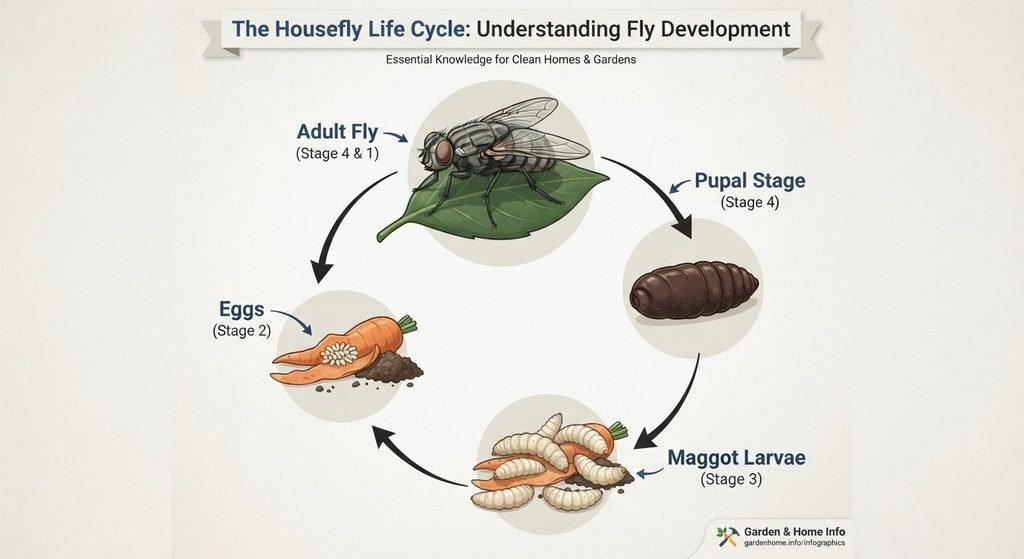
This explains why a small number of maggots can sometimes seem to appear overnight. If the conditions are right, flies can use an exposed food or waste source as a breeding site.
Common places where maggots may be found include:
- Garbage cans and trash bags
- Kitchen waste containers
- Compost bins
- Rotting fruits and vegetables
- Pet-waste areas
- Animal waste
- Outdoor organic debris
- Damp areas containing decomposing material
- Hidden food waste
The important clue is the source. If you remove only the visible maggots while leaving the material that attracted flies, the problem may return.
How to Get Rid of Maggots Quickly
If you’ve discovered maggots in a household or outdoor area, don’t panic. For a typical waste-related infestation, follow these steps.
Step 1: Find and Remove the Source
First, look for the material that attracted the flies.
Check nearby garbage, spoiled food, food scraps, pet waste, compost, and other organic material.
Wear appropriate household protective gear, such as disposable gloves, when handling contaminated waste. Keep children and pets away from the affected area while you’re cleaning.
If the source is a garbage bag or spoiled food, seal it securely and place it in the appropriate waste container according to your local waste service.
This step matters more than simply removing the larvae. Maggots don’t appear without a reason; there is usually an available food or breeding source nearby.
Step 2: Remove the Maggots
Once the source has been identified and removed, clear the remaining visible larvae from the affected surface.
For a hard, washable surface, physically remove the material and then clean the area thoroughly with an appropriate household cleaner.
Avoid handling maggots with bare hands.
If you’re dealing with a large infestation, an inaccessible area, or an infestation you can’t explain, it may be better to contact a pest-control professional rather than repeatedly treating the visible larvae.
Step 3: Clean the Area
After removing the source, thoroughly clean the affected container or surface.
For garbage bins, pay particular attention to:
- Food residue
- Liquid at the bottom of the bin
- Sticky organic material
- Areas underneath the bin liner
- The lid and rim
A bin can look clean from a distance while still containing enough residue to attract flies.
After washing, allow the container to dry completely when practical. Moisture combined with organic waste can create conditions that are attractive to flies.
Step 4: Dispose of Contaminated Waste Properly
Don’t leave removed organic material sitting beside the house or garden.
Seal waste appropriately and follow your local garbage or composting rules.
If you are dealing with compost, don’t automatically treat every larva as a pest. Some larvae found in compost can be soldier fly larvae, which help break down organic material. Oregon State University Extension notes that soldier fly larvae can be beneficial in compost and are commonly associated with wet, decomposing food or garbage.
Step 5: Stop Flies From Returning
Once the immediate infestation is handled, focus on prevention.
Keep garbage containers covered, remove food waste regularly, clean spills, and avoid leaving decomposing organic material exposed.
Fly control is strongly connected to sanitation and limiting access to food and breeding sites. CDC guidance similarly emphasizes proper waste disposal, close-fitting garbage lids, and cleaning food residues from containers.
How to Get Rid of Maggots in Different Places
The best approach depends on where you find them. A garbage bin, compost pile, and kitchen counter don’t require exactly the same treatment.
How to Get Rid of Maggots in a Garbage Bin
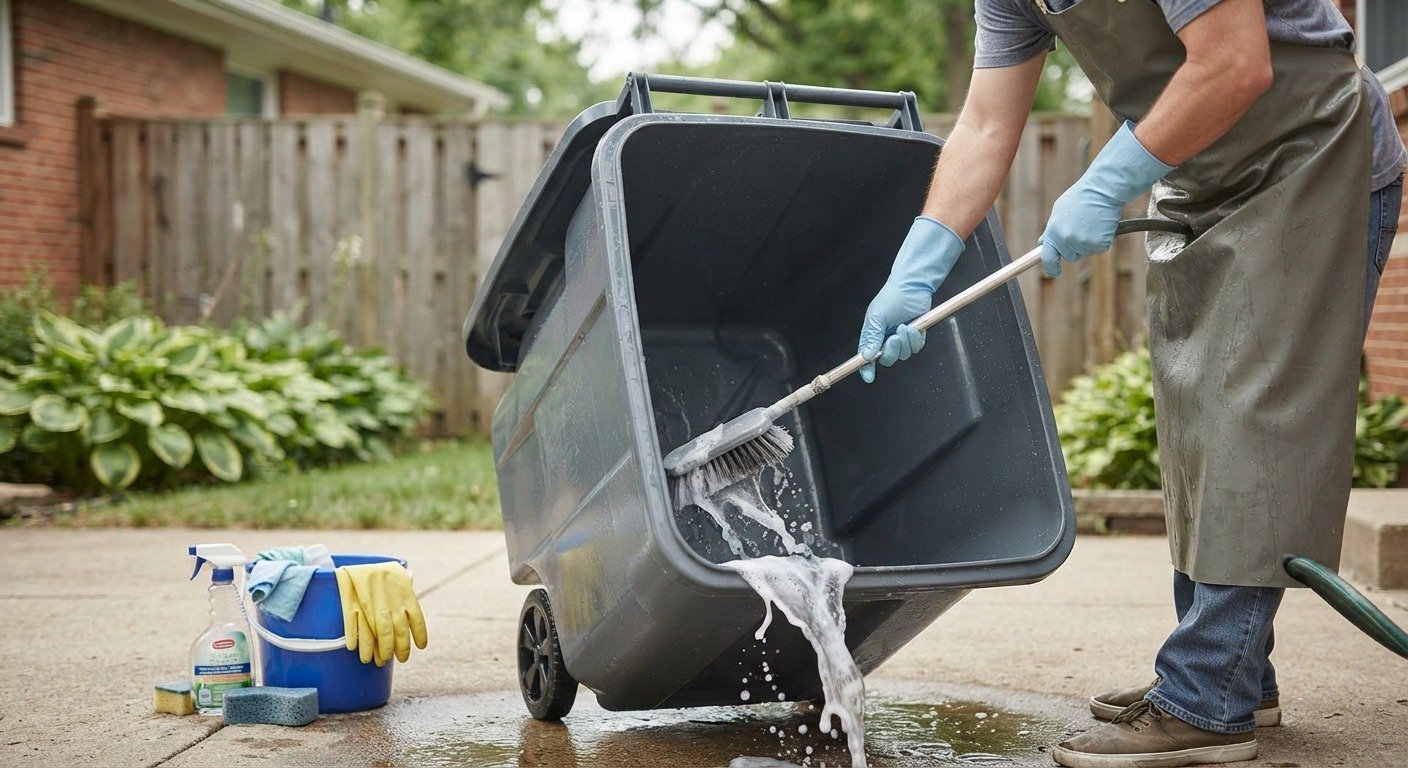
Garbage bins are a common breeding location because they can contain food residue, moisture, and organic waste.
Start by removing the garbage and sealing it properly. Then inspect the inside of the bin for leftover food or liquid.
Wash the bin with an appropriate household cleaner and rinse it according to the cleaner’s directions. Let it dry before putting in a new liner.
For prevention:
- Keep the lid firmly closed.
- Don’t allow food waste to sit unnecessarily long.
- Clean liquid and food residue from the bottom.
- Keep the outside of the bin free of spilled food.
- Consider a well-fitting liner where appropriate.
A tight-fitting lid is particularly useful because it reduces flies’ access to potential breeding material.
How to Get Rid of Maggots in the Kitchen
Kitchen infestations deserve extra attention because food-preparation surfaces may be involved.
First, locate the source. Check:
- Trash cans
- Recycling containers
- Forgotten produce
- Food spills
- Under appliances
- Pet-food areas
- Food scraps
- Damp organic buildup
Remove spoiled food and clean affected surfaces thoroughly.
If maggots are found directly on a food-preparation surface, don’t simply wipe them away and continue preparing food. Remove the contamination, clean the surface appropriately, and follow the instructions for the cleaning product you use.
Also check nearby garbage. A few larvae on the floor may be a symptom of something much more obvious inside a nearby bin.
How to Get Rid of Maggots in a Compost Bin
Compost requires a slightly different approach.
Maggots in compost aren’t automatically a sign that something has gone terribly wrong. Some larvae, including black soldier fly larvae, can help break down organic material.
If your goal is to reduce excessive fly activity, manage the compost environment rather than simply trying to eliminate every larva.
Oregon State University Extension recommends reducing excess moisture and covering food scraps with carbon-rich materials such as dry leaves, shredded paper, or straw. It also recommends mixing and turning compost and covering food scraps with dry material.
A simple balance to remember is:
Wet food scraps + exposed organic material = more attractive conditions for flies.
Adding suitable dry, carbon-rich material can help create a better-balanced compost environment.
How to Get Rid of Maggots in the Garden
First determine what you’re actually seeing.
If larvae are around rotting plant material, compost, manure, or other decomposing organic matter, they may be contributing to decomposition rather than attacking healthy plants.
Look for:
- Rotting vegetables
- Overripe fruit
- Animal waste
- Dead organic material
- Wet grass clippings
- Poorly managed compost
Remove unnecessary decaying material and improve the area’s cleanliness and drainage where appropriate.
Don’t automatically apply an insecticide simply because you see larvae. Identification matters, especially in gardens where beneficial organisms may also be present.
How to Get Rid of Maggots Around Pet Waste
Pet waste can provide organic material that attracts flies.
The simplest prevention strategy is regular removal.
Keep pet-waste areas clean, dispose of waste appropriately, and avoid leaving piles sitting in warm outdoor conditions.
If maggots repeatedly appear around a pet area despite regular cleaning, look for another nearby source rather than assuming the pet waste is the only cause.
How to Get Rid of Maggots in Drains
Drain problems can be more complicated.
If larvae repeatedly appear around a drain, there may be organic buildup or another source nearby. Simply treating the visible larvae may not address the underlying problem.
Clean the drain and surrounding area using an appropriate drain-cleaning method for your plumbing system. Never mix household cleaning chemicals.
If the problem keeps returning, particularly if there’s an unpleasant odor or drainage issue, consider having the plumbing checked.
What Causes a Maggot Infestation?
| Cause | Why It Attracts Flies | What to Do |
| Food waste | Provides organic material | Remove waste and clean the container |
| Open garbage | Gives flies access | Use a secure, well-fitting lid |
| Pet waste | Provides organic material for flies | Remove waste regularly |
| Compost | Contains decomposing material | Balance moisture and carbon-rich material |
| Rotting fruit | Can attract flies | Remove spoiled produce |
| Damp organic buildup | Provides a suitable breeding environment | Remove buildup and clean the area |
| Forgotten food | Can remain hidden and attract flies | Check under and behind appliances |
| Animal remains | Can attract flies and other insects | Contact an appropriate professional if the source is inaccessible |
The pattern is worth noticing: maggots usually point you toward a source.
That source may be obvious, such as an open garbage bag, or surprisingly easy to miss, such as food trapped beneath a container.
How to Prevent Maggots From Coming Back
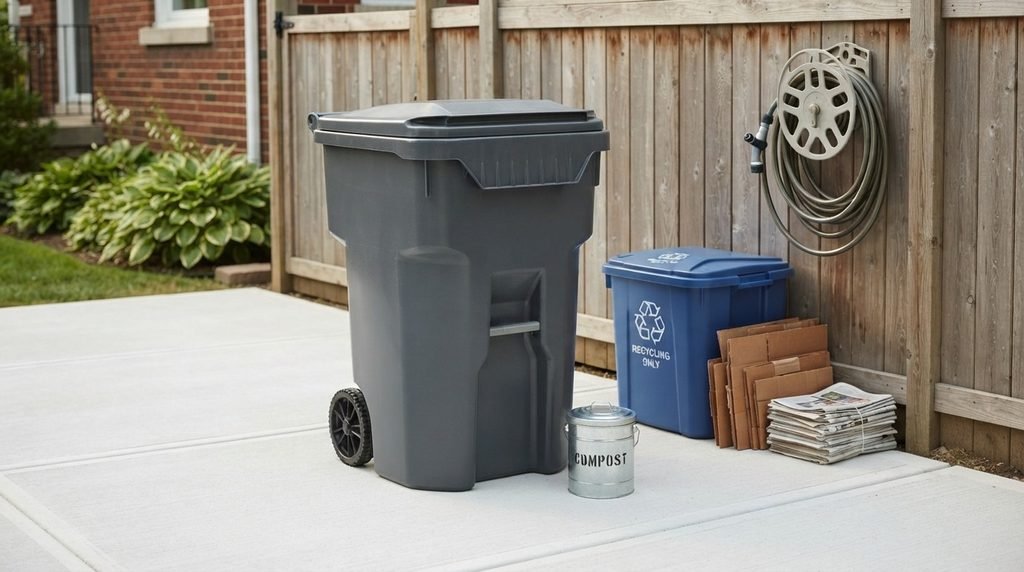
Getting rid of the current infestation is only half the job. The better outcome is making the area less attractive to flies in the first place.
Keep Garbage Containers Closed
A lid creates a physical barrier between flies and organic waste.
Choose a container with a lid that fits properly rather than leaving garbage exposed.
Empty Food Waste Regularly
Food scraps can become increasingly attractive as they sit, especially in warm conditions.
If your household produces a lot of food waste, consider using an appropriate sealed food-waste container and emptying it regularly.
Clean Garbage Bins
Don’t wait until a bin smells terrible before cleaning it.
Wash away residue from the bottom, sides, rim, and lid. CDC material on fly control specifically emphasizes cleaning garbage containers to remove food debris.
Manage Compost Properly
Compost needs the right balance of moisture and organic material.
If your compost becomes excessively wet or food scraps remain exposed, cover them with suitable dry, carbon-rich material.
Turning the compost can also help distribute material and improve conditions within the pile.
Remove Spoiled Food
Check fruit bowls, refrigerators, pantries, and other food-storage areas regularly.
One forgotten piece of produce can be enough to attract flies.
Clean Spills
Small food and drink spills are easy to overlook, particularly around garbage areas and outdoor entertaining spaces.
Clean them promptly.
Manage Pet Waste
Regular waste removal reduces opportunities for flies to use the area as a breeding site.
Reduce Fly Access
Check screens, doors, windows, and other entry points where practical.
Good fly management isn’t only about killing adult flies. It’s also about reducing their access to food and breeding locations.
Natural Ways to Discourage Flies
Natural approaches can be useful when they’re focused on prevention and sanitation, rather than being treated as magic solutions.
For example:
- Keep food covered.
- Remove organic waste regularly.
- Keep garbage bins clean.
- Use secure lids.
- Keep compost properly balanced.
- Clean food spills promptly.
- Keep doors and window screens in good condition.
- Remove pet waste regularly.
- Avoid leaving ripe or spoiled produce exposed.
It’s useful to separate two ideas here.
Source control removes what flies need to reproduce.
Fly deterrence may make an area less attractive to adult flies but doesn’t necessarily eliminate an existing breeding source.
That’s why cleaning a bin and removing food residue is generally more meaningful than relying on a strong-smelling household remedy alone.
Common Mistakes People Make When Dealing With Maggots
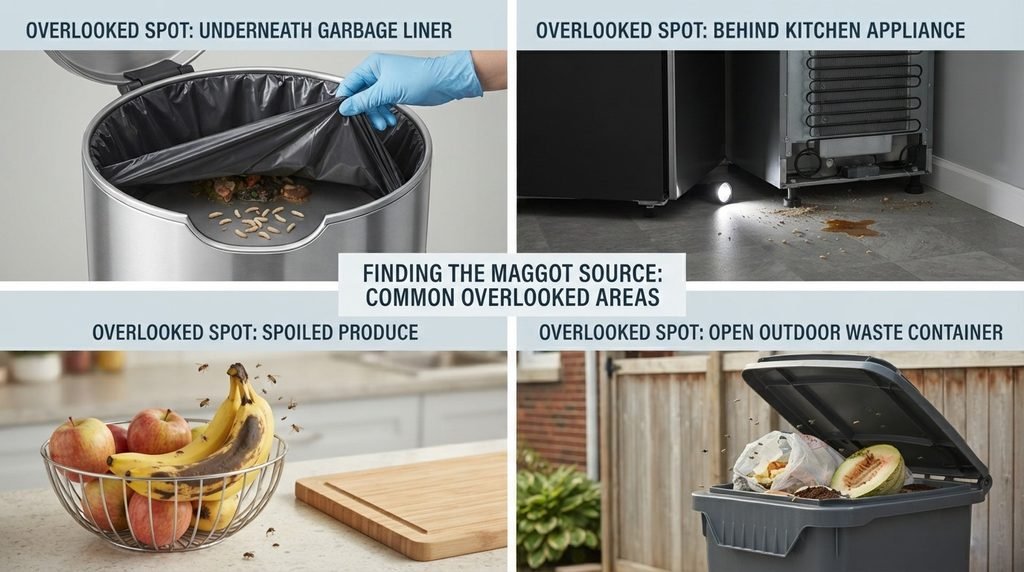
Killing the Visible Maggots but Leaving the Source
This is probably the biggest mistake.
If food waste or another breeding source remains, more larvae may appear.
Leaving Garbage Uncovered
An open bin essentially gives flies easy access.
A secure lid is a simple preventive measure.
Cleaning Without Removing Organic Material
Spraying or wiping around the source isn’t enough if decomposing material is still present.
Remove the source first.
Ignoring Nearby Fly Activity
If you’re suddenly seeing many flies indoors, don’t focus only on the maggots.
Ask where the flies are feeding and where they might be laying eggs.
Assuming Every Larva Is the Same
Not every larva found in compost is necessarily a harmful pest. Some soldier fly larvae can contribute to decomposition.
Identification becomes especially important in gardens and compost systems.
Using Too Many Chemicals
More chemicals don’t automatically mean better pest control.
Unnecessary pesticide or chemical use can create risks around children, pets, food, plants, and household surfaces.
Never mix cleaning chemicals, and always follow the product label.
Ignoring a Recurring Infestation
If maggots keep returning after thorough cleaning, something may be providing a continuing source.
Look beyond the obvious areas.
When Should You Call Pest Control?
A small number of maggots in a garbage bin can often be addressed through ordinary cleaning and waste management.
Professional help makes more sense when:
- The infestation is large.
- Maggots keep returning.
- You can’t identify the source.
- The source appears to be inside a wall, ceiling, crawl space, or another inaccessible location.
- There is a persistent fly infestation.
- You suspect an animal has died somewhere inaccessible.
- Cleaning and source removal haven’t solved the problem.
- You’re concerned about a sanitation issue that you can’t safely manage yourself.
There’s one important exception: maggots on a person or animal aren’t a normal household pest problem.
If maggots are found in or on a wound or on an animal, don’t attempt household pest-control treatment. Seek medical or veterinary advice promptly. CDC guidance specifically recommends healthcare attention for suspected maggots in wounds and veterinary attention when animals are affected.
FAQ Section
How do you get rid of maggots fast?
The quickest approach is to find and remove the material attracting flies, remove the visible larvae safely, clean the affected area, and dispose of the waste properly. Simply killing visible maggots won’t solve the problem if the breeding source remains.
What causes maggots to appear in a house?
Maggots usually appear when flies have access to suitable organic material, such as food waste, garbage, spoiled produce, pet waste, or other decomposing material. Check nearby bins, food-storage areas, and hidden organic waste.
Where do maggots come from?
Maggots are fly larvae. Adult flies lay eggs on suitable organic material, and those eggs hatch into larvae. The larvae eventually develop into later stages before becoming adult flies.
Can maggots come back after cleaning?
Yes. Maggots can return if the original breeding source wasn’t completely removed or if flies continue to have access to suitable organic material. Recurring infestations are a reason to look for a hidden source.
How do I prevent maggots in my garbage bin?
Keep the bin covered, remove food waste regularly, clean food residue from the container, and prevent liquids and organic material from accumulating at the bottom. Good sanitation reduces breeding opportunities for flies.
How do I get rid of maggots in compost?
First determine whether the larvae are actually a problem. Some larvae, including soldier fly larvae, can help break down compost material. If you want to reduce fly activity, improve compost management by controlling excess moisture, covering exposed food scraps with suitable dry carbon material, and turning the compost.
Are maggots dangerous?
Maggots found in garbage or compost are generally a sanitation and pest-management concern rather than something to handle casually. Keep them away from food-preparation areas and use appropriate hygiene when cleaning. Maggots found in a wound or on an animal are a different situation and require professional medical or veterinary attention.
Why do maggots keep appearing?
Repeated maggot activity usually means flies still have access to a suitable source. Check garbage, spoiled food, compost, pet waste, drains, and inaccessible organic material. If you cannot identify the source, professional inspection may be worthwhile.
When should I call pest control?
Consider professional help for large or recurring infestations, unexplained maggots, inaccessible breeding sources, persistent fly problems, or sanitation issues that you cannot safely resolve yourself.
How can I stop flies from laying eggs?
Reduce their access to food and breeding material. Keep garbage covered, clean waste containers, remove spoiled food, manage compost correctly, clean spills, remove pet waste regularly, and maintain screens or other barriers where practical.
Final Takeaway
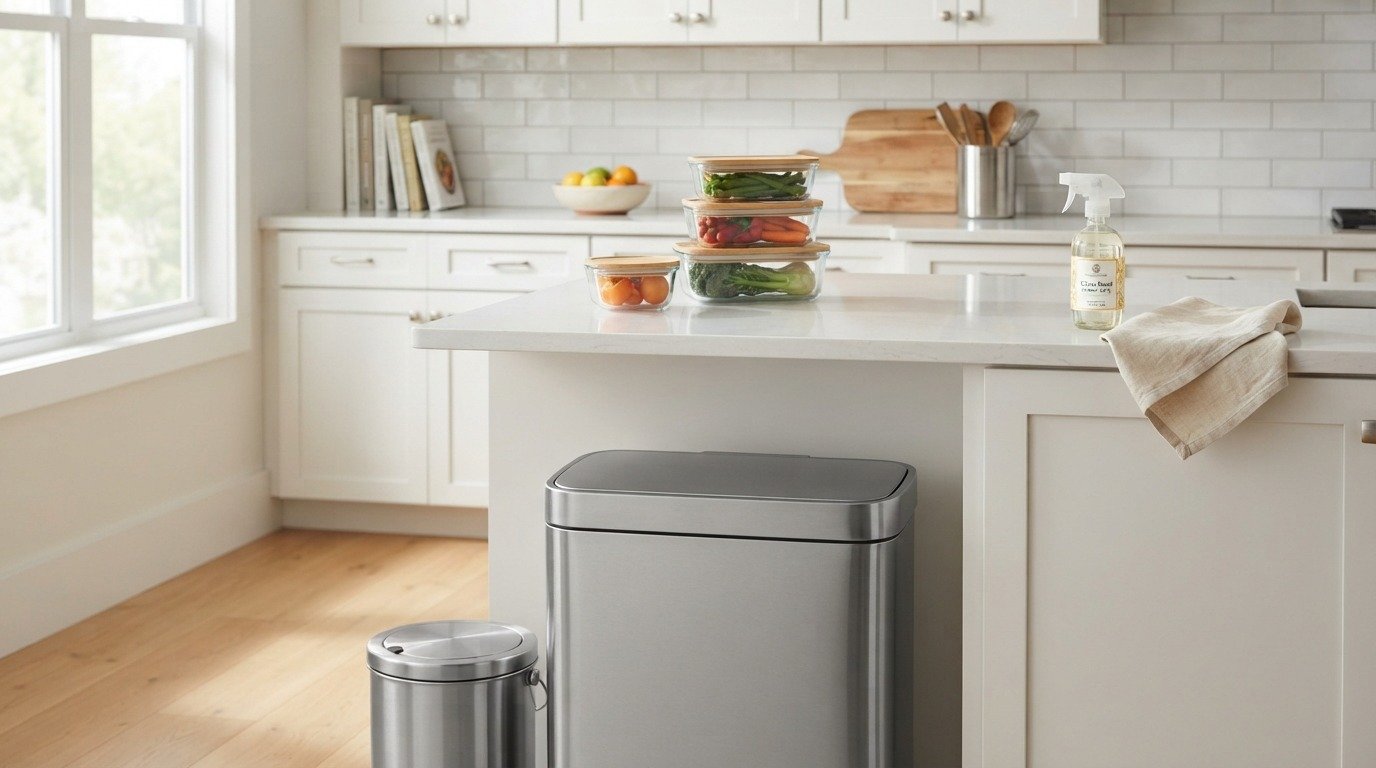
The most effective way to deal with a maggot problem is to look beyond the larvae themselves.
Find the source, remove the organic material, clean the affected area, dispose of waste properly, and reduce future access for flies.
For garbage and food-related infestations, good sanitation and secure waste storage are often the foundation of prevention. For compost and gardens, identification matters because some larvae can actually play a useful role in decomposition.
And if maggots keep appearing despite proper cleaning, don’t keep treating the same visible spot. Look for the hidden source. That’s often where the real answer is.